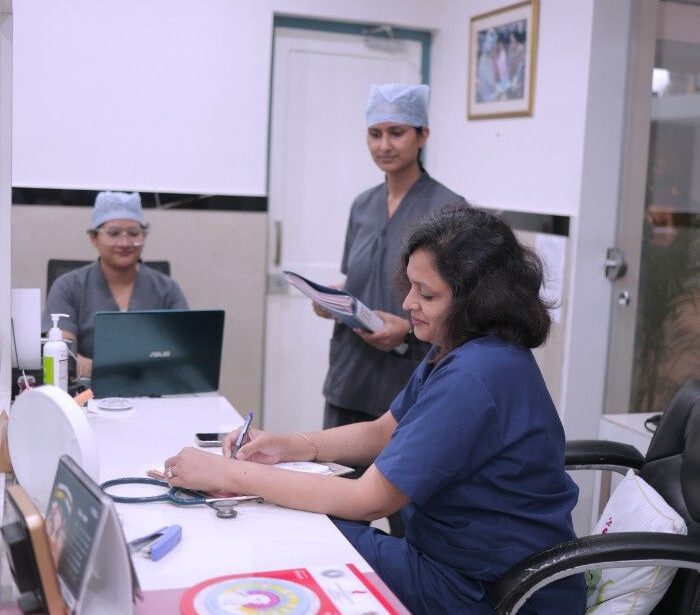
Infertility is characterized by the inability to conceive despite regular, unprotected intercourse for at least a year. In about one-third of cases, female factors alone contribute to infertility, while another third involves both male and female factors. The remaining cases have causes that are either unknown or a combination of factors from both partners.
Symptoms of Female Infertility
The primary symptom of infertility is the inability to achieve pregnancy. Additionally, irregular menstrual cycles—characterized by cycles longer than 35 days, shorter than 21 days, irregular, or absent periods—may indicate a lack of ovulation. These symptoms often occur without any other noticeable signs.
When to Seek Medical Help
The timing for seeking medical assistance varies based on age:
- For individuals up to age 35, doctors often recommend attempting conception for at least a year before considering testing or treatment.
- If between 35 and 40, it’s advisable to discuss concerns after six months of trying.
- Women over 40 may consider testing or treatment promptly.
Additionally, it is recommended to seek medical advice if:
- There are known fertility issues for either partner.
- There is a history of irregular or painful periods.
- There have been previous instances of pelvic inflammatory disease.
- The individual has experienced repeated miscarriages or endometriosis.
- Cancer treatment or surgeries have been undergone.
Causes of Female Infertility
For conception to occur, several steps in the reproductive process must proceed correctly:
- Ovulation: The release of a mature egg from the ovaries.
- Fertilization: Sperm must reach the egg in the fallopian tubes for fertilization to occur.
- Implantation: The fertilized egg attaches to the uterine lining for pregnancy to begin.
Disruption at any of these stages can lead to female infertility. Here are some common causes:
- Ovulation Disorders:
- Polycystic Ovary Syndrome (PCOS): A hormonal imbalance affecting ovulation, often linked with insulin resistance and obesity.
- Hypothalamic Dysfunction: Imbalances in hormones responsible for ovulation due to stress, extreme weight changes, or emotional factors.
- Primary Ovarian Insufficiency: Early loss of eggs from the ovaries, possibly due to autoimmune response, genetics, or chemotherapy.
- Excess Prolactin: Overproduction of prolactin, a hormone that affects estrogen levels, leading to reduced fertility.
- Damage to Fallopian Tubes:
- Pelvic Inflammatory Disease (PID): Infections of the reproductive tract, often due to sexually transmitted infections.
- Previous Abdominal or Pelvic Surgeries: Including surgeries for ectopic pregnancies, which can damage the fallopian tubes.
- Endometriosis: Growth of uterine tissue outside the uterus, causing scarring and blockages in the fallopian tubes.
- Uterine or Cervical Causes:
- Polyps or Tumors (Fibroids): Growths in the uterus that can block fallopian tubes or affect implantation.
- Congenital Uterine Abnormalities: Birth defects affecting the shape of the uterus, hindering conception.
- Cervical Factors: Narrowing of the cervix or inadequate cervical mucus, impeding sperm travel to the uterus.
- Unexplained Infertility:
- In some cases, despite thorough testing, the exact cause of infertility remains unknown, often attributed to multiple minor factors.
Risk Factors for Female Infertility
Certain factors may increase the risk of infertility:
- Age: Fertility declines with age due to decreased egg quality and quantity, particularly after the mid-30s.
- Smoking: Damages the cervix, fallopian tubes, and ovaries, affecting fertility and increasing miscarriage risk.
- Weight: Both overweight and underweight conditions can disrupt ovulation and decrease fertility.
- Sexual History: Previous sexually transmitted infections can lead to fallopian tube damage.
- Alcohol Consumption: Excessive alcohol use can reduce fertility and harm fetal development during pregnancy.
Prevention Strategies
For women planning pregnancy, adopting healthy habits may improve fertility:
- Maintain a Healthy Weight: Achieving a healthy BMI can enhance ovulation and increase chances of conception.
- Quit Smoking: Tobacco negatively impacts fertility and overall health; quitting improves fertility outcomes.
- Limit Alcohol Consumption: Excessive alcohol intake can hinder fertility and harm fetal development.
- Stress Management: High stress levels may affect fertility; adopting stress-reduction techniques could be beneficial.
Understanding the potential causes and risk factors for female infertility empowers individuals to make informed decisions about their reproductive health. Seeking timely medical advice and adopting a healthy lifestyle can often improve fertility outcomes.
Diagnosis and Treatment of Female Infertility
If you and your partner have been trying to conceive without success, seeking medical evaluation for infertility is the next step. Here’s what you can expect during the diagnosis process and the various treatment options available:
Diagnosis of Female Infertility
1. Medical History and Physical Examination
- Your doctor will begin by taking a detailed medical history from both you and your partner.
- A thorough physical examination will also be conducted to assess any visible signs of reproductive issues.
2. Fertility Tests
- Ovulation Testing:
- At-home ovulation prediction kits detect the surge in luteinizing hormone (LH) before ovulation.
- Blood tests for progesterone post-ovulation can confirm ovulation.
- Other hormone levels such as prolactin might also be checked.
- Hysterosalpingography (HSG):
- Involves injecting contrast dye into the uterus to check for abnormalities.
- Determines if contrast flows through the fallopian tubes, indicating no blockage.
- Ovarian Reserve Testing:
- Evaluates the quantity and quality of eggs available for ovulation.
- Especially important for women over 35 or at risk for low egg reserve.
- Other Hormone Testing:
- Assesses levels of ovulatory hormones as well as thyroid and pituitary hormones.
- Imaging Tests:
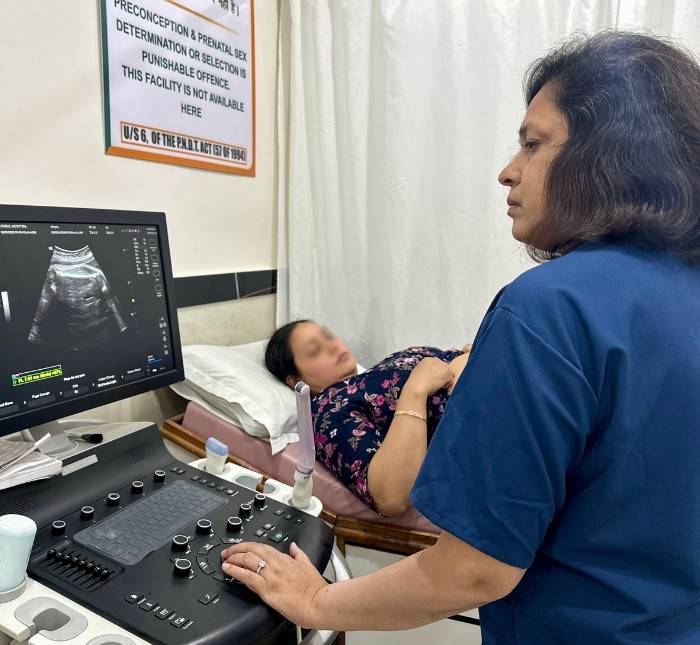
- Pelvic ultrasound to detect uterine or fallopian tube issues.
- Sonohysterogram or hysteroscopy for a detailed view of the uterus.
- Rarely Used Tests:
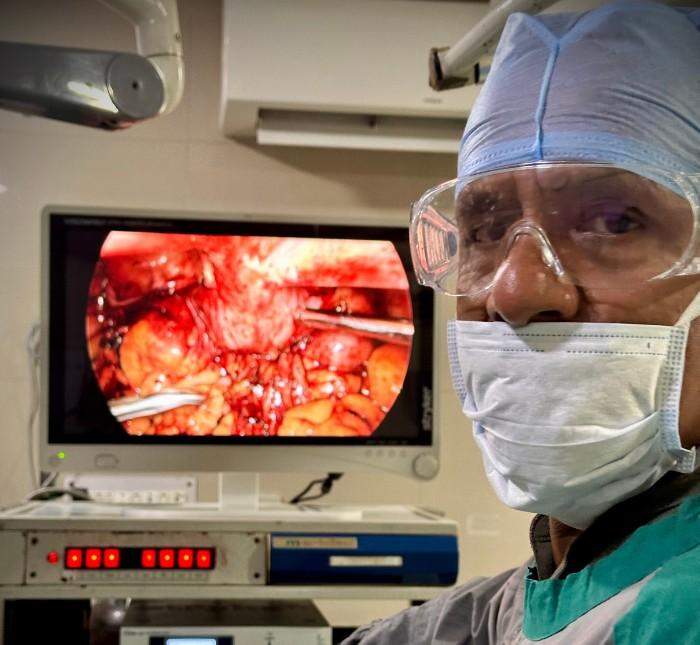
- Laparoscopy: Minimally invasive surgery to examine reproductive organs for abnormalities.
- Genetic Testing: To identify genetic factors that might contribute to infertility.
Treatment Options for Female Infertility
1. Medications to Restore Fertility
- Clomiphene Citrate: Stimulates ovulation by inducing FSH and LH release. Common first-line treatment for women under 39 without PCOS.
- Gonadotropins: Injectable medications such as hMG and FSH to stimulate ovaries to produce multiple eggs.
- Metformin: Used in women with PCOS and insulin resistance to improve ovulation.
- Letrozole: An aromatase inhibitor used for ovulation induction, especially in women with PCOS.
- Bromocriptine: For women with hyperprolactinemia (excess prolactin) affecting ovulation.
2. Risks of Fertility Drugs
- Multiples Pregnancy: Higher risk of twins or triplets, especially with injectables.
- Ovarian Hyperstimulation Syndrome (OHSS): Rare condition causing swollen ovaries, nausea, and discomfort.
- Long-term Ovarian Tumor Risks: Slight increase after prolonged use of fertility drugs.
3. Surgery to Restore Fertility
- Laparoscopic or Hysteroscopic Surgery: Removes fibroids, polyps, or corrects uterine abnormalities.
- Tubal Surgeries: Aims to open blocked fallopian tubes or reconstruct them.
4. Reproductive Assistance Techniques
- Intrauterine Insemination (IUI): Healthy sperm is placed directly into the uterus around ovulation.
- Assisted Reproductive Technology (ART):
- In Vitro Fertilization (IVF): Eggs are fertilized outside the body and transferred to the uterus.
- ICSI (Intracytoplasmic Sperm Injection): A single sperm is injected into an egg for fertilization, often used in severe male infertility cases.
Coping and Support
- Education: Learn about fertility treatment options to reduce anxiety and improve decision-making.
- Support System: Lean on your partner, family, or online groups for emotional support.
- Healthy Lifestyle: Maintain a balanced diet, regular exercise, and a healthy routine.
- Exploring Options: Consider adoption or donor options early to stay mentally prepared for all outcomes.
Conclusion
Infertility diagnosis and treatment involve a thorough evaluation, various tests, and personalized treatment plans. Whether through medication, surgery, or assisted reproductive technologies, there are options available to help you achieve your goal of conception.
Emotional support and a healthy lifestyle play vital roles in navigating the challenges of infertility.
Why Choose Jindal Hospital & Fertility Centre for Female Infertility
When facing the challenges of female infertility, choosing the right healthcare provider is crucial. Here are compelling reasons to consider Jindal Hospital & Fertility Centre as your trusted partner in your fertility journey:
1. Expertise in Reproductive Medicine
- Jindal Hospital & Fertility Centre boasts a team of highly experienced and skilled reproductive specialists.
- Our doctors, including Dr. Sunil Jindal and Dr. Anshu Jindal, are leaders in the field of reproductive medicine, with extensive training and expertise in diagnosing and treating female infertility.
2. Comprehensive Diagnostic Services
- We offer a wide range of advanced diagnostic tests to pinpoint the underlying causes of infertility.
- From hormone testing to imaging studies such as 3D Sonography, saline salpingography, hysterosalpingography, and genetic testing, we utilize state-of-the-art technologies for accurate evaluations.
3. Personalized Treatment Plans
- We understand that each patient is unique, and one-size-fits-all approaches do not apply to fertility treatment.
- Our specialists tailor treatment plans to your specific needs, medical history, and fertility goals.
4. Cutting-Edge Fertility Treatments
- We are at the forefront of fertility care, offering the latest advancements in reproductive technologies.
- Whether you require ovulation induction, intrauterine insemination (IUI), in vitro fertilization (IVF), ICSI, blastocyst transfer, or vitrification, we provide the most advanced fertility treatments available.
- We also offer laparoscopic, hysteroscopic, and microscopic fertility-enhancing surgeries.
5. State-of-the-Art Facilities
- Our hospital is equipped with modern, cutting-edge facilities designed to offer the highest standards of care.
- From advanced laboratories for fertility testing to comfortable recovery rooms, we ensure a safe and supportive environment for your treatment.
6. High Success Rates
- We have a strong track record of success in helping couples achieve their dream of parenthood.
- Our focus on excellence and the latest techniques has resulted in high success rates for many patients.
7. Emotional Support and Counseling
- We understand the emotional toll infertility can take and provide emotional support throughout your journey.
- Our compassionate team offers counseling services to ensure you feel heard, understood, and supported.
8. Holistic Approach to Wellness
- We take a holistic approach to fertility care, addressing physical, emotional, and mental well-being.
- Our care plans may include nutrition guidance, stress management techniques, and lifestyle recommendations to optimize fertility.
9. Transparent Communication and Patient Education
- We prioritize clear and open communication with our patients.
- Our team takes the time to educate you about your condition, treatment options, and expected outcomes, empowering you to make informed decisions.
10. Positive Patient Experiences
- Many patients have shared their success stories and positive experiences at our hospital.
- Our commitment to compassionate care and exceptional medical expertise has earned us the trust and loyalty of our patients.
Conclusion
Choosing Jindal Hospital & Fertility Centre for your female infertility needs means entrusting your care to a team of dedicated experts led by Dr. Sunil Jindal and Dr. Anshu Jindal. From comprehensive diagnostics to cutting-edge treatments and compassionate support, we are here to guide you every step of the way on your path to parenthood.
At Jindal Hospital & Fertility Centre, we combine expertise, innovation, and compassion to provide exceptional care for female infertility. Contact us today to begin your journey towards parenthood with confidence.
Most Ask
About Female Infertility: Understanding the Causes and Solutions
Female infertility refers to the inability of a woman to conceive or carry a pregnancy to full term after a year of regular, unprotected intercourse.
Female infertility can result from various factors, including ovulation disorders, blocked fallopian tubes, endometriosis, uterine fibroids, age-related decline in egg quality, hormonal imbalances, and pelvic inflammatory disease (PID).
Female infertility is a widespread issue, affecting approximately 10-15% of couples worldwide. It is often a contributing factor in about one-third of infertility cases.
Symptoms of female infertility may include irregular menstrual cycles, painful periods, excessive hair growth, weight gain, changes in libido, and pelvic pain.
Yes, lifestyle factors such as smoking, excessive alcohol consumption, poor diet, obesity, stress, and exposure to environmental toxins can impact female fertility.
Female infertility is diagnosed through a series of tests including ovulation testing, hormone testing, pelvic ultrasound, hysterosalpingography (HSG), laparoscopy, and genetic testing.
Treatment options for female infertility depend on the underlying cause and may include fertility medications, surgery to correct structural issues, intrauterine insemination (IUI), in vitro fertilization (IVF), egg donation, and gestational surrogacy.
Not always. Many cases of female infertility can be treated successfully, allowing women to conceive and carry a pregnancy to term. The effectiveness of treatment depends on the specific cause and individual circumstances.
Yes, age is a significant factor in female fertility. Women are born with a finite number of eggs, and as they age, the quantity and quality of eggs decline, leading to reduced fertility and an increased risk of miscarriage.
If you are under 35 and have been trying to conceive for a year without success, or if you are over 35 and have been trying for six months without success, it’s advisable to seek fertility evaluation. Additionally, if you have known risk factors for female infertility or experience any concerning symptoms, consult a doctor promptly.
Conclusion
Infertility can be one of the most emotional and isolating journeys a woman faces — filled with unanswered questions and unspoken pain. At Jindal Hospital & Fertility Centre, we understand your hope, your courage, and your desire to become a mother.
Led by Dr. Sunil Jindal and Dr. Anshu Jindal, pioneers in reproductive medicine with 30+ years of experience and over 9,500 ART babies, we combine science and compassion to turn dreams into reality. Our expertise in ovulation induction, IUI, IVF, and laparoscopic fertility restoration ensures that every woman receives the most advanced and ethical care.
Our state-of-the-art IVF lab, AI-assisted embryo culture, and personalized treatment protocols empower you with the highest chances of success while keeping your health and emotions at the center of care.
✨ At Jindal Hospital, we don’t just treat infertility — we nurture hope. Schedule your consultation today and take the first step toward motherhood, where science meets compassion and every story begins with a heartbeat.