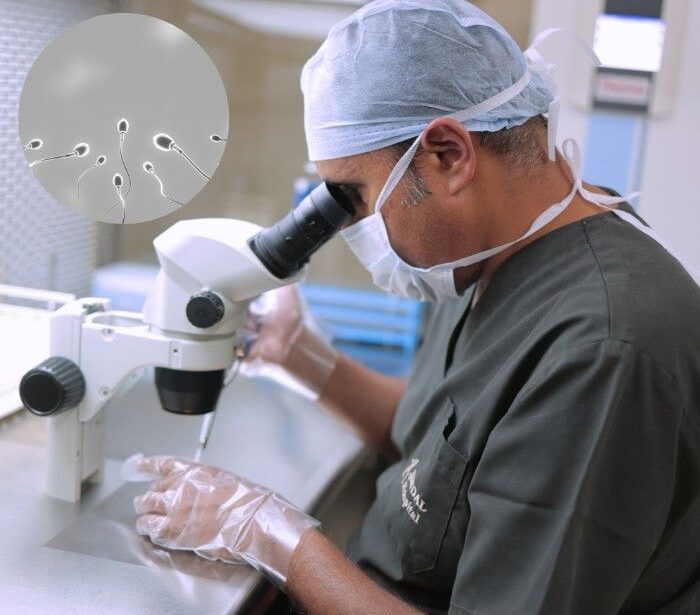
Understanding Oligospermia, Teratospermia, and Asthenospermia: Overview and Causes
Introduction
Male infertility can manifest in various forms, including conditions such as oligospermia, teratospermia, and asthenospermia. These conditions impact sperm count, morphology, and motility, respectively. At Jindal Hospital & Fertility Centre, led by the renowned Dr. Sunil Jindal, we aim to provide a comprehensive understanding of these conditions, their implications for fertility, and the underlying causes.1. Oligospermia: Low Sperm Count
Overview:- Oligospermia refers to a condition where the semen contains a low concentration of sperm.
- The World Health Organization (WHO) defines oligospermia as having fewer than 15 million sperm per milliliter of semen.
- Hormonal Imbalances: Low levels of testosterone, FSH, or LH can impact sperm production.
- Varicocele: Swollen veins in the scrotum can increase testicular temperature, affecting sperm production.
- Genetic Factors: Conditions like Klinefelter syndrome or Y-chromosome microdeletions.
- Infections: Previous infections of the reproductive tract can lead to scarring and reduced sperm production.
- Lifestyle Factors: Smoking, excessive alcohol consumption, drug use, obesity, and stress.
2. Teratospermia: Abnormal Sperm Morphology
Overview:- Teratospermia is a condition characterized by the presence of a high percentage of abnormally shaped sperm.
- Sperm morphology is crucial for successful fertilization, as abnormal shapes can hinder sperm’s ability to penetrate the egg.
- Genetic Factors: Inherited genetic abnormalities affecting sperm development.
- Varicocele: Impact on sperm quality and morphology.
- Environmental Factors: Exposure to toxins, chemicals, or radiation.
- Hormonal Imbalances: Disruptions in hormone levels during sperm development.
3. Asthenospermia: Reduced Sperm Motility
Overview:- Asthenospermia refers to reduced sperm motility, where sperm are unable to move effectively.
- Motility is essential for sperm to travel through the female reproductive tract and reach the egg for fertilization.
- Varicocele: A common cause of reduced sperm motility.
- Genetic Factors: Inherited conditions affecting the structure of sperm tails.
- Hormonal Imbalances: Low testosterone levels impacting sperm motility.
- Temperature Sensitivity: Testicular overheating due to tight clothing, hot baths, or saunas.
- Infections: Inflammatory conditions affecting sperm motility.
Expert Care with Dr. Sunil Jindal at Jindal Hospital & Fertility Centre
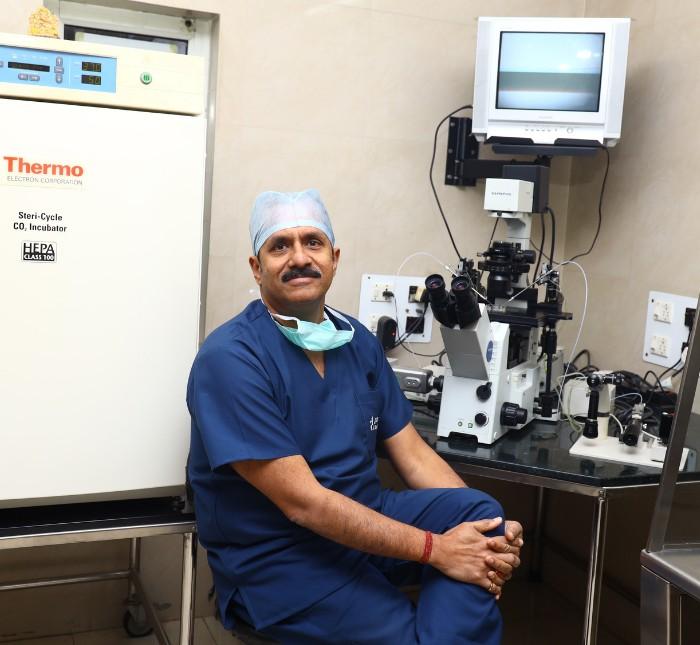
- Dr. Sunil Jindal, the best andrologist, leads the expert team at Jindal Hospital & Fertility Centre.
- With years of experience and a focus on male infertility, Dr. Jindal brings unparalleled expertise to the field.
- His dedication to staying updated with the latest advancements ensures that patients receive the most effective and innovative treatments available.
Conclusion
Oligospermia, teratospermia, and asthenospermia are conditions that can significantly impact male fertility. Understanding the causes of these conditions is crucial for effective diagnosis and treatment. At Jindal Hospital & Fertility Centre, under the guidance of Dr. Sunil Jindal, we specialize in diagnosing and treating male infertility, offering personalized care and advanced treatment options. If you are experiencing symptoms of oligospermia, teratospermia, or asthenospermia, we encourage you to schedule a consultation with our expert team. Together, we can explore the underlying causes and develop a tailored treatment plan to improve your chances of achieving conception.Oligospermia, Teratospermia, Asthenospermia: Diagnosis and Effective Treatment Options
Introduction
Oligospermia, teratospermia, and asthenospermia are conditions that can significantly impact male fertility. Understanding the diagnostic process and available treatment options is essential for individuals dealing with these challenges. At Jindal Hospital & Fertility Centre, led by the renowned Dr. Sunil Jindal, we provide comprehensive care and advanced treatments for these conditions.Diagnosis of Oligospermia, Teratospermia, and Asthenospermia
1. Semen Analysis
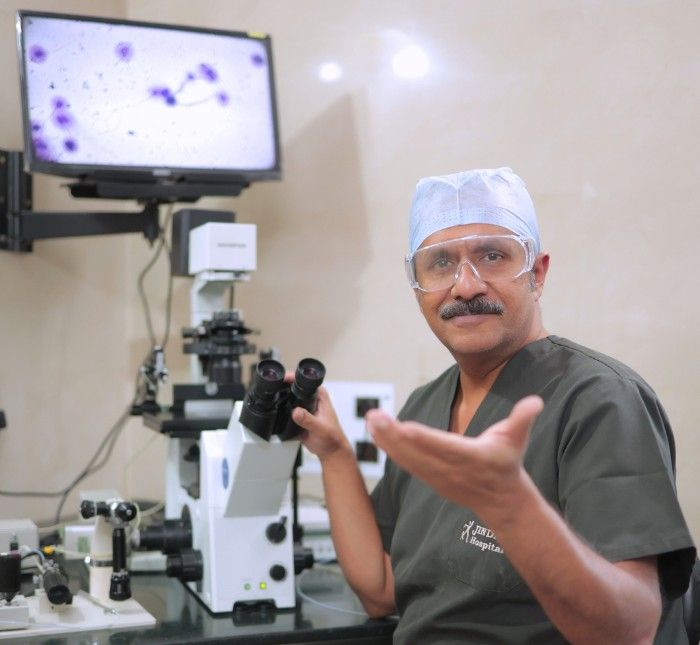
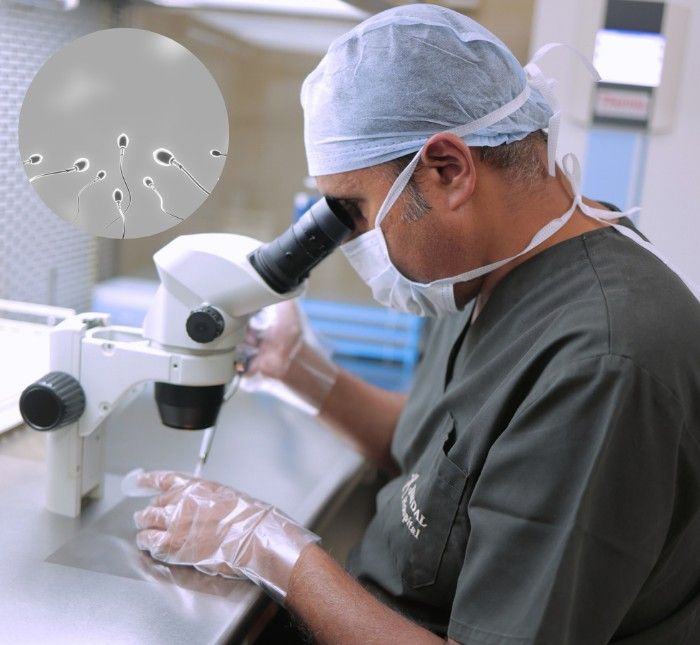
- Semen analysis is the initial diagnostic test for all three conditions.
- Oligospermia: Defined as having fewer than 15 million sperm per milliliter of semen.
- Teratospermia: Assessing the percentage of abnormally shaped sperm.
- Asthenospermia: Measuring the percentage of sperm with poor motility.
2. Hormone Testing
- Hormonal imbalances can contribute to these conditions.
- Testosterone, FSH, and LH levels are measured.
- Imbalances can impact sperm production and quality.
3. Genetic Testing
- In cases of suspected genetic factors, genetic testing may be recommended.
- Identifies conditions such as Klinefelter syndrome or Y-chromosome microdeletions.
- Helps in developing personalized treatment plans.
4. Physical Examination and Imaging
- Varicocele: A common cause, detected through physical examination.
- Ultrasound: Provides detailed images of the reproductive organs.
- Detects structural abnormalities or blockages.
5. Sperm Function Tests
- Sperm penetration assay: Evaluates sperm’s ability to penetrate an egg.
- Sperm DNA fragmentation test: Assesses DNA integrity, crucial for fertilization.
- Provides insights into the quality of sperm.
Treatment Options for Oligospermia, Teratospermia, and Asthenospermia
1. Oligospermia Treatment
- Lifestyle Changes: Quitting smoking, reducing alcohol intake, and managing stress can positively impact sperm production.
- Hormone Therapy: Corrects hormonal imbalances to improve sperm count and quality.
- Varicocele Repair: Surgical intervention to treat varicocele and enhance sperm parameters.
- Assisted Reproductive Techniques (ART):
- Intrauterine Insemination (IUI): Sperm is directly injected into the uterus during ovulation to increase fertilization chances.
- In Vitro Fertilization (IVF): Eggs are fertilized with sperm outside the body in a lab, followed by embryo transfer.
2. Teratospermia Treatment
- Antioxidant Supplements: Improve sperm morphology by reducing oxidative stress.
- IVF with Intracytoplasmic Sperm Injection (ICSI): A single healthy sperm is injected directly into an egg to bypass morphology issues.
- Sperm Sorting Techniques: Advanced lab techniques are used to select structurally normal sperm for use in fertilization.
3. Asthenospermia Treatment
- Varicocele Repair: Surgical treatment can enhance sperm motility by normalizing testicular temperature.
- Intracytoplasmic Morphologically Selected Sperm Injection (IMSI): High-magnification sperm selection improves outcomes by using the most motile and structurally sound sperm.
- IVF with ICSI: Direct injection of a motile sperm into the egg to achieve fertilization despite motility issues.
Expert Care with Dr. Sunil Jindal at Jindal Hospital & Fertility Centre
- Dr. Sunil Jindal, the best andrologist, leads our expert team at Jindal Hospital & Fertility Centre.
- With a focused approach to male infertility, Dr. Jindal provides personalized care using the latest advancements in the field.
- Our state-of-the-art facilities and compassionate support ensure that every patient receives high-quality and holistic care.
Conclusion
Oligospermia, teratospermia, and asthenospermia are complex male infertility conditions requiring precise diagnosis and individualized treatment. At Jindal Hospital & Fertility Centre, led by Dr. Sunil Jindal, we offer cutting-edge treatments tailored to each patient’s specific needs. If you are dealing with any of these conditions or have concerns about fertility, we encourage you to schedule a consultation with our expert team. Together, we can work toward improving your reproductive health and helping you achieve your dream of parenthood.
Do’s for Oligospermia, Asthenospermia, and Teratospermia
- Consult a Fertility Specialist:
- Seek consultation with a fertility specialist to evaluate the underlying causes and discuss treatment options.
- Undergo Comprehensive Testing:
- Complete all recommended tests to determine the extent and underlying causes of the sperm abnormalities.
- Optimize Lifestyle Factors:
- Maintain a healthy weight, follow a balanced diet, exercise regularly, and avoid smoking and excessive alcohol consumption.
- Follow Treatment Plans Diligently:
- Adhere to prescribed medications, lifestyle modifications, and treatment protocols recommended by the fertility specialist.
- Consider Assisted Reproductive Techniques (ART):
- Explore options such as intrauterine insemination (IUI), in vitro fertilization (IVF), or intracytoplasmic sperm injection (ICSI) based on the severity of the sperm abnormalities.
Don’ts for Oligospermia, Asthenospermia, and Teratospermia
- Don’t Delay Seeking Help:
- Avoid delaying consultation with a fertility specialist if experiencing symptoms of male infertility.
- Avoid Heat Exposure:
- Minimize exposure of the genital area to excessive heat from hot baths, saunas, or prolonged sitting.
- Don’t Ignore Underlying Health Conditions:
- Address any underlying health issues such as hormonal imbalances or infections that may contribute to sperm abnormalities.
- Avoid Stress and Anxiety:
- Manage stress through relaxation techniques, counseling, or support groups as stress can negatively impact sperm quality.
- Don’t Discontinue Medications Without Consultation:
- Consult with the fertility specialist before discontinuing any prescribed medications or treatments.
Conclusion
These “Do’s and Don’ts” provide a practical framework for individuals dealing with oligospermia, asthenospermia, and teratospermia. By staying informed, committed to treatment, and supported by experts like Dr. Sunil Jindal at Jindal Hospital & Fertility Centre, patients can navigate their fertility journey more effectively and with greater confidence.
Most Ask
Frequently asked questions (FAQs) about oligospermia, asthenospermia, and teratospermia, along with detailed answers:
Oligospermia refers to a condition where the semen has a lower than normal concentration of
sperm. It is diagnosed when sperm count is less than 15 million sperm per milliliter of semen.
Oligospermia can result from various factors such as hormonal imbalances, infections,
varicoceles, genetic factors, lifestyle choices (like smoking, excessive alcohol consumption), and
exposure to environmental toxins.
Oligospermia typically does not present with noticeable symptoms. It is usually diagnosed
during a semen analysis performed as part of a fertility evaluation.
Asthenospermia, also known as sperm motility disorder, refers to a condition where sperm have
reduced motility or movement. This can impair their ability to reach and fertilize an egg.
Asthenospermia can be caused by factors such as hormonal imbalances, infections, varicoceles,
genetic factors, heat exposure, and certain medications.
Asthenospermia does not have specific symptoms. It is typically diagnosed during a semen
analysis, where reduced sperm motility is observed.
Teratospermia refers to a condition where a significant percentage of sperm have abnormal
shapes or morphology. This can affect their ability to fertilize an egg.
Conclusion
Low sperm count, poor motility, or abnormal morphology can feel discouraging — but with the right treatment, they’re far from untreatable. At Jindal Hospital & Fertility Centre, we bring clarity and cutting-edge solutions to every couple’s journey.
Led by Dr. Sunil Jindal, a pioneer in male infertility and andrology, our team combines precision diagnostics (DNA fragmentation, hormonal testing) with medical, surgical, and ART options like IUI, ICSI, and Micro-TESE. We focus on root causes — hormonal, genetic, or lifestyle — and rebuild fertility with targeted, ethical care.
🌿 At Jindal Hospital, every sperm tells a story — and we make sure yours leads to a new life.