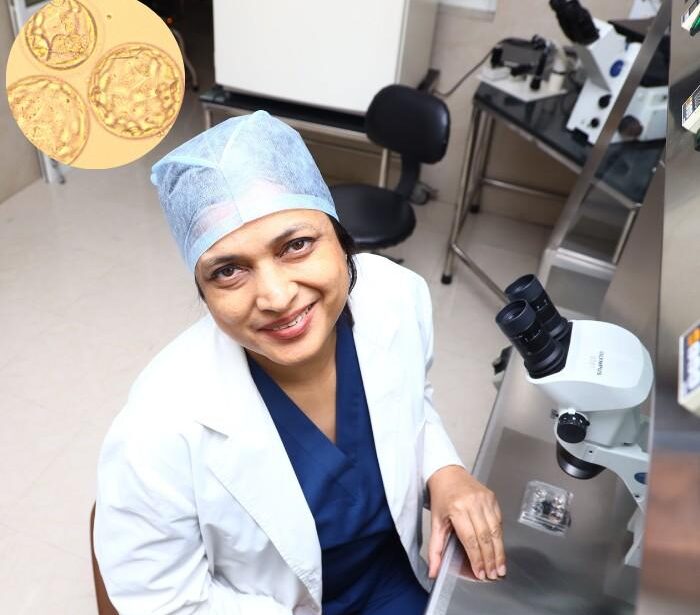
Blastocyst Culture and Transfer: Understanding the Procedure
What is Blastocyst Culture?
Blastocyst culture is an advanced laboratory technique used during assisted reproductive technology (ART) procedures, such as in vitro fertilization (IVF) and Intracytoplasmic Sperm Injection (ICSI). It involves growing the embryo for an extended period, typically five to six days, until it reaches the blastocyst stage—a critical point in development when implantation potential is highest.
Key Stages of Blastocyst Development
- Day 1–3: The embryo develops into a multicellular structure.
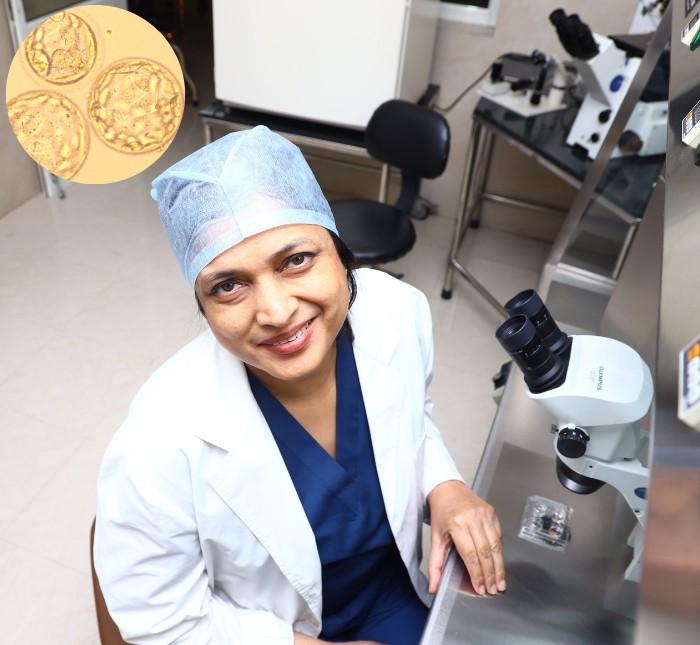
- Day 4–5: The blastocyst begins to form, consisting of two distinct cell types—the inner cell mass (future fetus) and the outer layer (trophoblast, which forms the placenta).
- Day 5–6: The blastocyst hatches from the protective Zona Pellucida, ready for implantation into the uterine wall.
When is Blastocyst Culture Recommended?
Blastocyst culture may be advised in several scenarios:
- Prior IVF/ICSI Failures: Couples with previous unsuccessful cycles despite good-quality eggs may benefit from extended embryo culture, allowing better assessment between days 3 and 6.
- Elective Single Embryo Transfer (eSET): Day 5 blastocyst transfer increases chances of successful conception while reducing the risk of multiple pregnancies.
- Preimplantation Genetic Diagnosis (PGD): Blastocyst culture enables embryo biopsy for genetic testing, ensuring transfer of healthy embryos with reduced genetic risks.
- Multiple Healthy Embryos: Couples with several good-quality embryos on day 3 may opt for blastocyst culture to select the most viable embryos for transfer.
Advantages of Blastocyst Culture
- Enhanced Selection: Embryologists can better assess embryo quality at the blastocyst stage.
- Higher Implantation Rate: Blastocysts have an improved chance of successful implantation.
- Reduced Risk of Multiple Pregnancies: Transferring a single high-quality blastocyst lowers the risk of multiples while maintaining pregnancy success.
Risks of Blastocyst Culture
- Reduced Number of Embryos: Some embryos may not survive to the blastocyst stage, leaving fewer for transfer or freezing.
- Embryonic Block: Rarely, embryos may stop developing after day 3, preventing transfer and requiring cycle reevaluation.
How is Blastocyst Transfer Performed?
- Egg Collection (Oocyte Retrieval): Eggs are retrieved from the ovaries via a minimally invasive procedure under sedation.
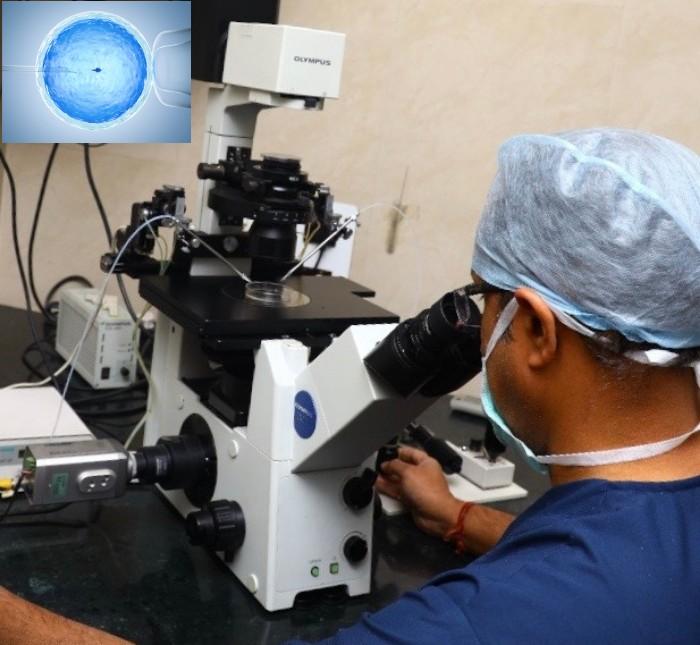
- Fertilization: Eggs are fertilized with sperm in the laboratory, either through conventional IVF or ICSI.
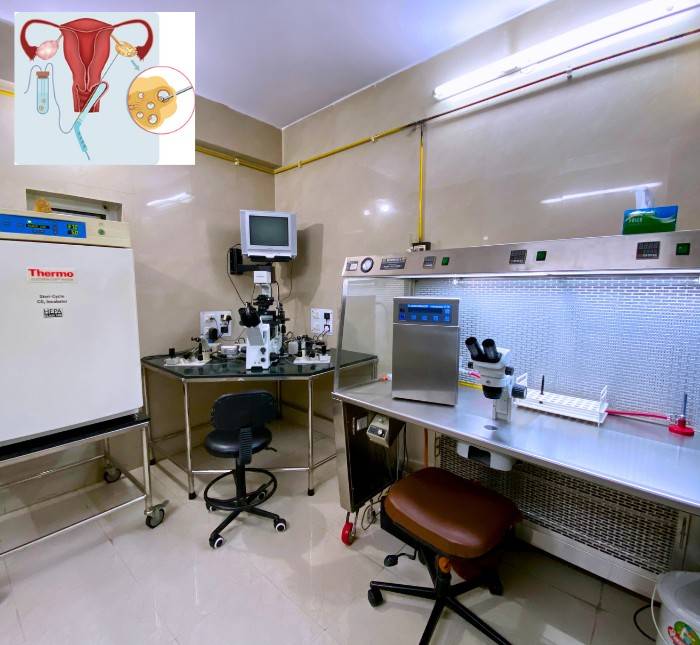
- Blastocyst Culture: Embryos are cultured in specialized incubators until they reach the blastocyst stage.
- Embryo Selection: The healthiest blastocysts are chosen for transfer; others may be cryopreserved for future use.
- Transfer Procedure: A thin catheter is used to carefully transfer the selected blastocyst(s) into the uterus.
- Pregnancy Test and Follow-Up: A pregnancy test is conducted approximately two weeks after transfer, and ultrasound scans monitor progress.
Why Choose Jindal Hospital & Fertility Centre for Blastocyst Culture?
- Best Blastocyst Culture Center in Meerut & Delhi: Under the expert guidance of Dr. Sunil Jindal and Dr. Anshu Jindal, the center is known for advanced technology and high success rates.
- Leading Andrology Center in India: Equipped with state-of-the-art facilities and experienced specialists for male infertility care.
- Personalized Care: Customized treatment plans tailored to each patient’s needs to maximize success.
Conclusion
Blastocyst culture and transfer at Jindal Hospital & Fertility Centre provide hope and higher chances of success for couples struggling with infertility. With advanced techniques, expert guidance from Dr. Sunil Jindal and Dr. Anshu Jindal, and a reputation as a leading center in Meerut, Delhi, and across India, your journey to parenthood is supported with precision and care.
For personalized guidance on Blastocyst Culture & Embryo Transfer, consult our fertility specialists at Jindal Hospital & Fertility Centre.
Indications for Blastocyst Culture in Assisted Reproductive Technology (ART) at Jindal Hospital & Fertility Centre
Introduction
Blastocyst culture is a vital technique in Assisted Reproductive Technology (ART), offering numerous benefits for couples pursuing fertility treatments. At Jindal Hospital & Fertility Centre, led by Dr. Sunil Jindal and Dr. Anshu Jindal, this advanced approach to embryo development is applied with precision and personalized care. This article explores the key indications for blastocyst culture and why it is an effective strategy for certain infertility cases.
Indications for Blastocyst Culture at Jindal Hospital & Fertility Centre
- Previous IVF Failures: Couples who have experienced unsuccessful IVF cycles can benefit from blastocyst culture. This method allows for meticulous selection of embryos with the highest implantation potential.
- Advanced Maternal Age: Women of advanced maternal age often face declining egg quality. Blastocyst culture helps in selecting the most viable embryos to improve chances of successful pregnancy.
- Implantation Issues: For couples with repeated implantation failures, blastocyst culture enhances success rates by identifying embryos with optimal implantation potential.
- Limited Embryo Availability: When embryo numbers are limited, blastocyst culture ensures each embryo is given the best chance for successful transfer and pregnancy.
- Pre-implantation Genetic Testing (PGT): Blastocyst culture facilitates safe embryo biopsy for genetic testing, allowing selection of healthy embryos for transfer.
- Polycystic Ovarian Syndrome (PCOS): Women with PCOS often produce a higher number of eggs. Blastocyst culture allows optimal selection of embryos, increasing pregnancy success.
- Unexplained Infertility: For cases of unexplained infertility, blastocyst culture provides valuable insights into embryo quality, aiding in targeted treatment strategies.
- Frozen Embryo Transfer (FET): Blastocyst culture ensures that embryos are at the ideal stage for successful implantation during FET cycles.
- Male Factor Infertility: In male infertility cases, blastocyst culture assists in selecting embryos with the highest chances of fertilization and implantation success.
- Optimizing Single Embryo Transfer (SET): To reduce the risk of multiple pregnancies, blastocyst culture helps select the highest-quality embryo for a successful singleton pregnancy.
Conclusion
Blastocyst culture at Jindal Hospital & Fertility Centre, under the expert guidance of Dr. Sunil Jindal and Dr. Anshu Jindal, provides hope for couples facing infertility challenges. By selecting the most viable embryos and optimizing success rates, this advanced technique is tailored to each patient’s unique needs.
If you are considering blastocyst culture or wish to explore your options at Jindal Hospital & Fertility Centre, our compassionate team is ready to provide personalized care and support on your journey to parenthood.
The Do’s and Don’ts of Blastocyst Culture in Assisted Reproductive Technology (ART)
Introduction
Blastocyst culture is a critical component of Assisted Reproductive Technology (ART), providing enhanced embryo development and selection for couples undergoing fertility treatments. To maximize the chances of success, it is essential to follow the proper guidelines. At Jindal Hospital & Fertility Centre, under the expert care of Dr. Sunil Jindal and Dr. Anshu Jindal, we outline the key do’s and don’ts for patients undergoing blastocyst culture.The Do’s of Blastocyst Culture
- Follow Pre-Culture Instructions: Adhere to all instructions provided by your fertility specialists, including guidelines on medications, diet, and lifestyle modifications.
- Maintain a Healthy Lifestyle: Eat a nutrient-rich diet, stay hydrated, and engage in regular, moderate exercise to support optimal embryo development.
- Attend All Appointments: Timely attendance at all scheduled appointments allows for precise monitoring and assessment of embryo development.
- Stay Informed: Educate yourself about the blastocyst culture process. Ask questions to understand what to expect and alleviate any concerns.
- Maintain Emotional Well-Being: Practice stress-relieving techniques such as yoga, meditation, or counseling. Emotional balance can positively influence treatment outcomes.
- Follow Post-Culture Care: Adhere to all post-culture care instructions, including guidance on rest, activity levels, and medications.
- Stay Positive: Maintain a hopeful and positive outlook throughout the blastocyst culture process, visualizing a successful outcome.
The Don’ts of Blastocyst Culture
- Avoid Alcohol and Tobacco: Refrain from consuming alcohol or tobacco, as these substances can negatively impact embryo development.
- Limit Caffeine Intake: Avoid excessive caffeine. Opt for decaffeinated beverages or limit intake to moderate levels.
- Avoid Strenuous Activities: Refrain from heavy exercises or activities that may affect embryo implantation. Gentle, low-impact exercises like walking or yoga are recommended.
- Don’t Skip Medications: Follow your prescribed medication regimen diligently. Skipping doses or altering medications without consultation may reduce success rates.
- Don’t Ignore Symptoms: Notify your fertility team immediately if you experience unusual symptoms such as severe pain, fever, or heavy bleeding.
- Avoid Hot Baths or Saunas: Exposure to high temperatures from hot baths, saunas, or hot tubs should be avoided, as it can negatively affect embryo development.
- Don’t Stress: Minimize stress and anxiety during the process. Use relaxation techniques or counseling if necessary.
Conclusion
Blastocyst culture is a significant advancement in ART, offering improved embryo selection and higher chances of successful pregnancy. By following these do’s and don’ts, patients at Jindal Hospital & Fertility Centre can optimize their outcomes under the expert guidance of Dr. Sunil Jindal and Dr. Anshu Jindal.For personalized guidance or more information about blastocyst culture, our dedicated team is available to support you on your journey to parenthood.Most Ask
FAQs About Blastocyst Culture
Conclusion
For couples who’ve faced repeated IVF failures or uncertain results, blastocyst culture brings new light to the journey. At Jindal Hospital & Fertility Centre, we refine nature’s process using advanced science and personalized care.
Under Dr. Sunil Jindal and Dr. Anshu Jindal’s guidance, our AI-enabled embryology lab and Day-5 blastocyst culture protocols achieve higher implantation rates, safer single-embryo transfers, and reduced risks of multiple pregnancies.
We combine cutting-edge technology with human compassion — selecting the healthiest embryos with care, and ensuring each transfer is a step closer to success.
🌱 When science meets empathy, miracles take shape. Choose Jindal Hospital for your IVF or blastocyst culture treatment and experience how precision and hope come together to create life.