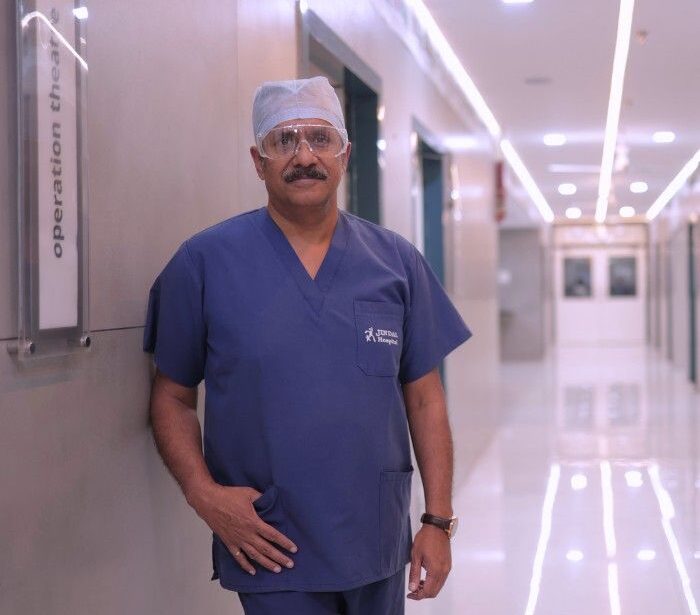
Overview of Male Infertility
Nearly 1 in 7 couples face infertility, meaning they have been unable to conceive a child despite regular, unprotected intercourse for a year or longer. Male infertility is a significant factor in up to half of these cases. Male infertility can result from various factors, such as low sperm production, abnormal sperm function, or blockages that prevent sperm delivery. Illnesses, injuries, chronic health conditions, lifestyle choices, and other factors may contribute to male infertility.Symptoms of Male Infertility
The main sign of male infertility is the inability to conceive a child. However, some individuals may experience the following signs and symptoms:- Problems with sexual function, such as difficulty with ejaculation, reduced sexual desire, or erectile dysfunction
- Pain, swelling, or a lump in the testicle area
- Recurrent respiratory infections
- Inability to smell
- Abnormal breast growth (gynecomastia)
- Decreased facial or body hair
- Lower than normal sperm count (fewer than 15 million sperm per milliliter of semen or a total sperm count of less than 39 million per ejaculate)
When to See a Doctor
It’s advisable to see a doctor if:- You have been unable to conceive after a year of regular, unprotected intercourse
- You experience erection or ejaculation problems, low sex drive, or other sexual function issues
- You have pain, discomfort, or swelling in the testicle area
- You have a history of testicle, prostate, or sexual problems
- You’ve undergone groin, testicle, penis, or scrotum surgery
- Your partner is over the age of 35
Causes of Male Infertility
Male fertility is a complex process involving the production, transport, and functionality of sperm. Some common medical causes of male infertility include:- Varicocele (swelling of testicle veins)
- Infections such as epididymitis or orchitis
- Ejaculation issues, such as retrograde ejaculation
- Anti-sperm antibodies attacking sperm
- Tumors affecting reproductive organs
- Undescended testicles
- Hormone imbalances
- Tubal defects or blockages
- Chromosome defects like Klinefelter’s syndrome
- Sexual intercourse problems (erectile dysfunction, premature ejaculation)
- Celiac disease
- Certain medications or prior surgeries
Environmental Causes of Male Infertility
Exposure to certain environmental factors can also contribute to male infertility, including:- Industrial chemicals
- Heavy metal exposure
- Radiation or X-rays
- Overheating of the testicles (saunas, hot tubs, tight clothing)
- Prolonged sitting or laptop use
Health, Lifestyle, and Other Causes
Additional factors that may contribute to male infertility include:- Drug use (anabolic steroids, cocaine, marijuana)
- Alcohol consumption
- Tobacco smoking
- Weight issues (obesity)
- Certain medications
- Prior surgeries (vasectomy, prostate surgeries)
Risk Factors for Male Infertility
- Smoking tobacco
- Alcohol and drug use
- Being overweight
- Past or present infections
- Exposure to toxins
- Trauma to the testicles
- Prior vasectomy or surgeries
- Undescended testicles
- Genetic disorders
- Certain medical conditions or treatments
Complications of Male Infertility
- Stress and relationship difficulties
- Costly and involved reproductive techniques
- Increased risk of testicular, melanoma, colon, and prostate cancers
Prevention of Male Infertility
While not always preventable, some steps can reduce the risk of male infertility, such as:- Avoiding smoking
- Limiting or abstaining from alcohol and illicit drugs
- Maintaining a healthy weight
- Avoiding vasectomy
- Preventing prolonged heat exposure to the testicles
- Reducing stress
- Minimizing exposure to pesticides, heavy metals, and toxins
Treatment Options for Male Infertility
Treatment for male infertility aims to address the underlying cause or assist in conception. Here are common treatment options:
1. Surgery
- Corrects conditions like varicoceles or repairs obstructed vas deferens.
- Reverses prior vasectomies.
- Retrieves sperm directly from the testicles or epididymis when absent in ejaculate.
2. Treating Infections
- Antibiotics may treat reproductive tract infections but might not restore fertility.
3. Addressing Sexual Intercourse Problems
- Medication or counseling for conditions like erectile dysfunction or premature ejaculation.
4. Hormone Treatments and Medications
- Corrects imbalances or issues with hormone levels affecting fertility.
5. Assisted Reproductive Technology (ART)
- Obtains sperm through ejaculation, surgical extraction, or donor sources.
- Sperm is used for procedures like in vitro fertilization (IVF) or intracytoplasmic sperm injection (ICSI).
When Treatment Isn’t Successful
In rare cases where treatment isn’t effective, other options might be considered:
- Using donor sperm.
- Adoption or surrogacy as alternative parenting methods.
Lifestyle and Home Remedies
Some lifestyle changes may enhance fertility:
- Increased frequency of sex during ovulation.
- Avoiding lubricants that may impair sperm movement.
- Healthy lifestyle habits such as a balanced diet, exercise, and avoiding substances harmful to fertility.
Alternative Medicine
Limited evidence suggests some supplements may improve sperm count or quality:
- Coenzyme Q10
- Folic acid and zinc combination
- L-carnitine
- Selenium
- Vitamin C
- Vitamin E
Note: Discuss with your doctor before taking supplements as they may have side effects or interact with medications.
Coping and Support
Coping with infertility can be emotionally challenging. Here are some strategies:
- Set Limits: Decide on the extent of treatments emotionally and financially acceptable.
- Explore Alternatives: Consider options like adoption or donor sperm early in the process.
- Seek Counseling: Support groups or therapy can help manage stress and grief.
- Stress-Reduction Techniques: Yoga, meditation, and counseling can relieve emotional burden.
- Open Communication: Share feelings with your partner, family, or friends for support.
Why Choose Jindal Hospital & Fertility Centre for Male Infertility Treatment?
Male infertility can be a challenging and sensitive issue, requiring expert care and personalized treatment. At Jindal Hospital & Fertility Centre, we understand the importance of comprehensive, compassionate, and effective care for men facing fertility challenges. Here are compelling reasons why you should choose us for male infertility treatment:
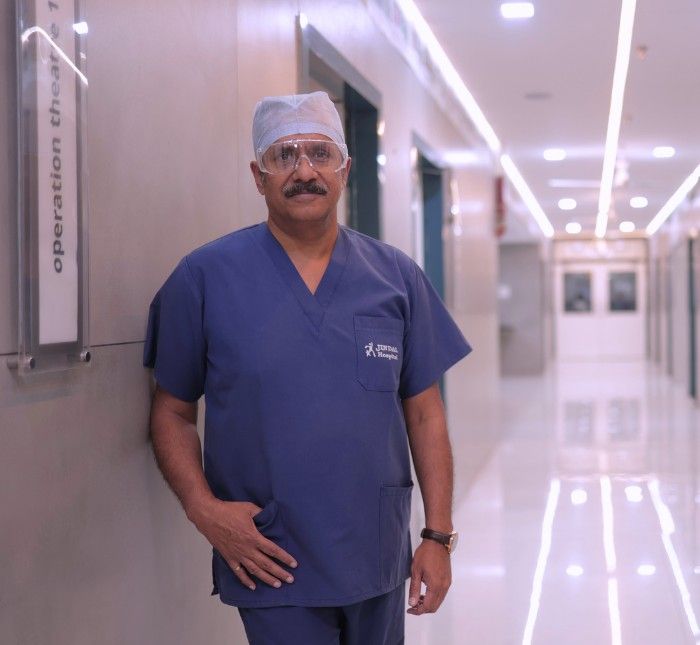
1. Expertise of Dr. Sunil Jindal and Dr. Anshu Jindal
- Renowned Specialists: Our clinic is led by Sunil Jindal and Dr. Anshu Jindal, highly experienced and skilled fertility specialists.
- Vast Knowledge: With years of expertise in male infertility, they offer in-depth knowledge and a personalized approach to treatment.
2. Advanced Diagnostic Technologies
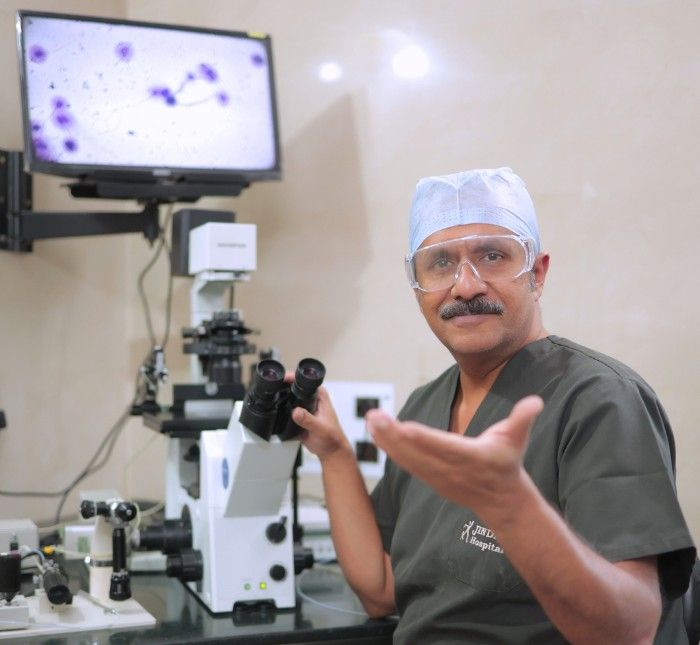
- State-of-the-Art Facilities: We are equipped with the latest diagnostic technologies for accurate assessment of male infertility factors.
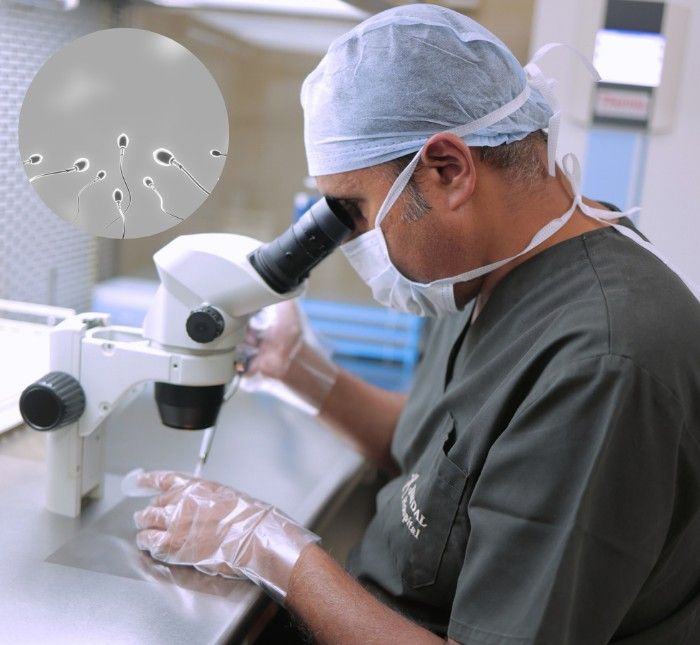
- Comprehensive Testing: From semen analysis to hormone testing and genetic screenings, we provide a thorough evaluation to identify the root cause.
3. Tailored Treatment Plans
- Personalized Approach: Each patient is unique, and we design customized treatment plans based on individual needs and circumstances.
- Multi-faceted Treatments: Our clinic offers a range of treatment options including medications, lifestyle modifications, surgical interventions, and assisted reproductive technologies.
4. High Success Rates
- Proven Results: Jindal Hospital & Fertility Centre has a track record of high success rates in treating male infertility.
- Optimized Protocols: We continuously refine our treatment protocols to improve outcomes and increase the chances of conception.
5. Comprehensive Care and Support
- Patient-Centric Care: We prioritize patient comfort, understanding, and support throughout the treatment journey.
- Emotional Support: Dealing with infertility can be emotionally taxing, and our team provides compassionate guidance and counseling.
6. Transparency and Communication
- Clear Communication: We believe in open and transparent communication with our patients.
- Educational Resources: We provide educational materials and resources to help patients make informed decisions about their treatment.
7. Collaborative Approach to Care
- Multi-disciplinary Team: Our clinic houses a team of experts including fertility specialists, urologists, endocrinologists, and embryologists.
- Collaborative Efforts: We work together to develop comprehensive treatment plans and ensure holistic care for our patients.
8. State-of-the-Art Facilities
- Advanced Infrastructure: Our clinic features cutting-edge facilities and laboratories for male infertility diagnostics and treatments.
- Quality Assurance: We adhere to stringent quality standards to maintain the integrity of samples and procedures.
9. Respect for Privacy and Confidentiality
- Confidential Environment: We understand the sensitive nature of fertility treatments and ensure a private and respectful setting for consultations and procedures.
- Confidential Counseling: Our team offers confidential counseling services to address any concerns or anxieties.
10. Proven Track Record of Success Stories
- Positive Outcomes: Many couples have achieved their dream of parenthood through treatments at Jindal Hospital & Fertility Centre.
- Testimonials: We are proud of our success stories and testimonials from satisfied patients who have entrusted us with their fertility journey.
11. Research Centre with International Recognition
- International Collaboration: Many research papers have been published internationally. Our ongoing collaborations ensure we stay updated with the latest advancements, which we apply for your benefit.
Conclusion
Choosing Jindal Hospital & Fertility Centre for male infertility treatment means choosing expertise, compassion, and a commitment to helping you achieve your goal of fatherhood. Under the guidance of Dr. Sunil Jindal and Dr. Anshu Jindal, our clinic offers advanced diagnostics, personalized treatments, and unwavering support throughout your fertility journey.
If you are ready to take the first step towards addressing male infertility or have questions about our services, we invite you to schedule a consultation with us. Together, we can embark on the path towards a successful and fulfilling parenthood experience.
Most Ask
FAQs about Male Infertility: Understanding the Causes and Solutions
Conclusion
Male infertility can deeply affect confidence, relationships, and dreams of fatherhood. At Jindal Hospital & Fertility Centre, we see beyond test results — we see the man, his journey, and his determination to build a family.
Under the leadership of Dr. Sunil Jindal, India’s renowned andrologist and micro-TESE specialist, and Dr. Anshu Jindal, IVF expert, our team brings over 30 years of clinical excellence and research leadership in male reproductive medicine.
From DNA fragmentation testing to advanced sperm retrieval (micro-TESE, PESA, TESA) and AI-based semen analysis, our approach is rooted in technology, transparency, and trust.
Every treatment plan is personalized to uncover the cause and rebuild fertility — naturally or through assisted reproduction.
💙 At Jindal Hospital, your dream of fatherhood is our shared mission. Book your consultation today and rediscover hope through world-class andrology and compassionate care.