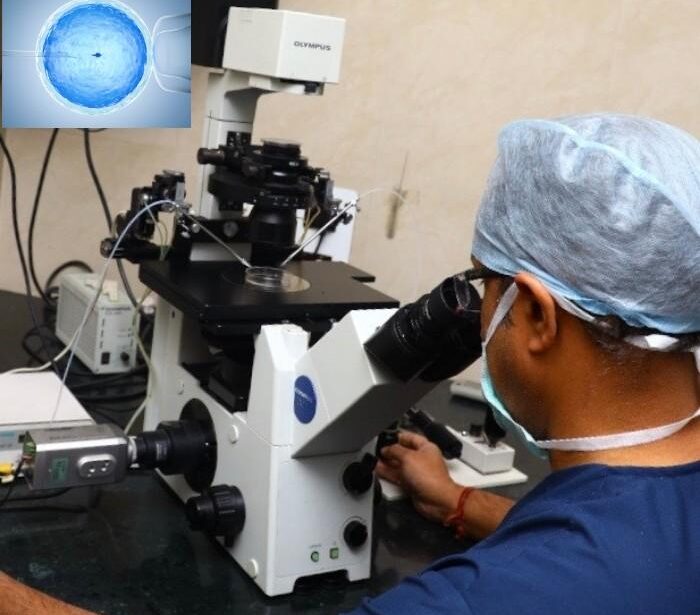
Comprehensive Guide to Intracytoplasmic Sperm Injection (ICSI) Treatment
Introduction to ICSI Treatment
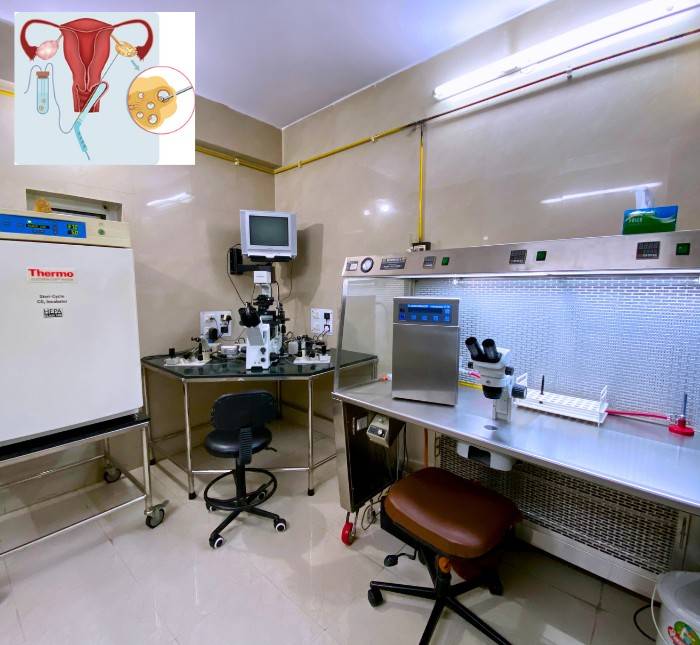
Intracytoplasmic Sperm Injection (ICSI) stands as a beacon of hope for individuals and couples grappling with male factor infertility. This revolutionary assisted reproductive technology (ART) procedure involves the direct injection of a single sperm into an egg, overcoming various fertility challenges.
Who Benefits from ICSI?
ICSI serves as a vital solution for individuals facing the following fertility hurdles:
- Low Sperm Count: ICSI is a boon for men with a low sperm count, as it significantly enhances the chances of successful fertilisation.
- Poor Sperm Motility: Individuals with sperm exhibiting limited motility find ICSI invaluable, bypassing this challenge by directly injecting sperm into the egg.
- Abnormal Sperm Morphology: Irregularly shaped sperm can struggle to fertilise an egg naturally, making ICSI the ideal method to ensure successful fertilisation.
- Vasectomy Reversal: Following a vasectomy, ICSI offers hope by retrieving sperm directly from the testicles for fertilisation.
- Previous Failed Fertility Treatments: Couples who have experienced unsuccessful attempts with treatments like intrauterine insemination (IUI) turn to ICSI as a promising alternative.
Step-by-Step Guide to ICSI Treatment
1. Initial Consultation
Couples embark on their ICSI journey with an insightful consultation with a fertility specialist, determining the suitability of the procedure.
2. Ovarian Stimulation
Women undergo ovarian stimulation, aided by hormone medications to produce multiple mature eggs, often referred to as ICSI stimulation.
3. Egg Retrieval
A minimally invasive procedure retrieves eggs from the woman’s ovaries, conducted under local anaesthesia.
4. Sperm Collection
The male partner provides a semen sample, meticulously analysed to select the healthiest and most viable sperm for injection.
5. Sperm Preparation
In the laboratory, the selected sperm undergoes meticulous preparation, including washing and concentration for optimal fertilisation.
6. Sperm Injection (ICSI)
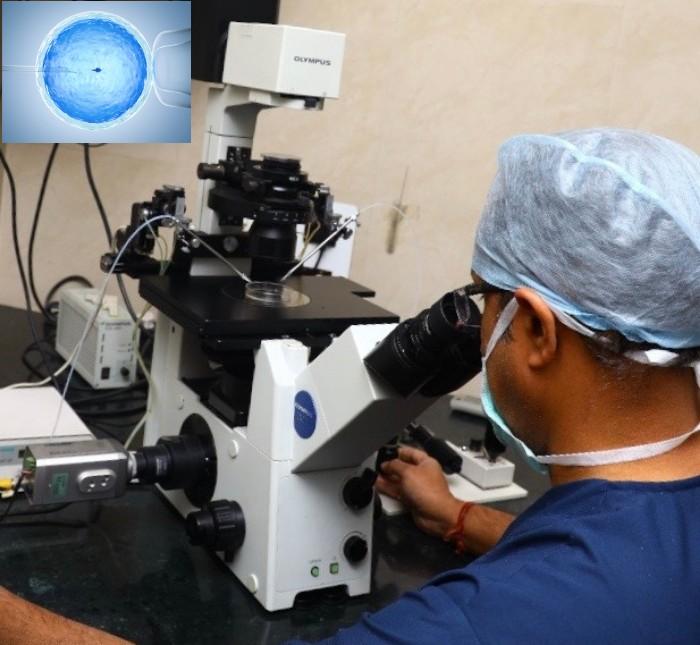
Using a precise fine needle, a single sperm is meticulously injected directly into each mature egg.
7. Fertilisation Monitoring
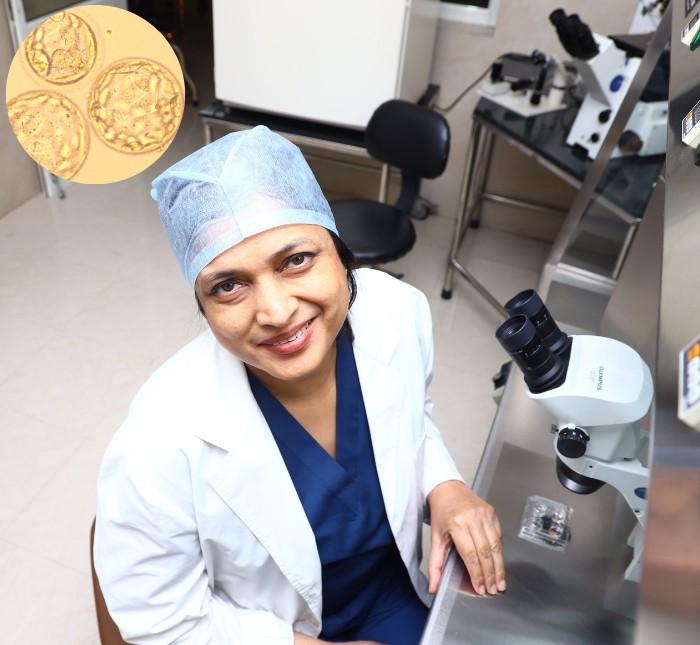
The fertilised eggs (embryos) are vigilantly monitored in the laboratory for signs of successful fertilisation and early cell division.
8. Embryo Transfer
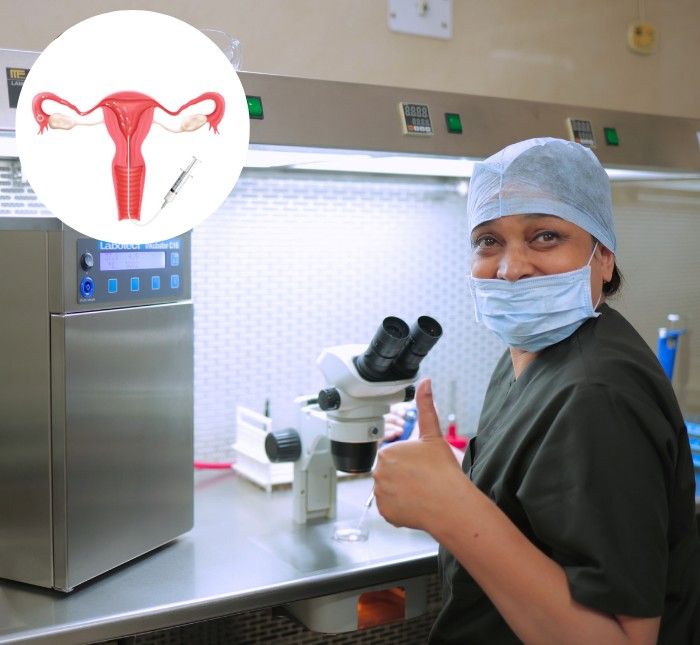
After a few days of fertilisation, one or more healthy embryos are delicately transferred into the woman’s uterus through a small catheter.
9. Pregnancy Testing
Approximately two weeks post-embryo transfer, a pregnancy test unveils the success of the ICSI procedure.
Success Rate of ICSI Treatment
- ICSI boasts a remarkable success rate, with fertilisation rates ranging from 50% to 80%, particularly when administered by proficient professionals using cutting-edge techniques.
- The success rate of ICSI is akin to conventional IVF procedures, cementing its status as a pivotal option for couples grappling with male factor infertility.
Potential Risks and Considerations
- Multiple Pregnancies: ICSI carries a heightened risk of multiple pregnancies, necessitating cautious consideration and monitoring.
- Ovarian Hyperstimulation Syndrome (OHSS): In rare cases, ovarian stimulation may lead to OHSS, a condition characterised by swollen and painful ovaries.
- Bleeding & Infection: Minimal risks of bleeding or infection at the site of egg retrieval are present, requiring post-procedure vigilance.
- Birth Defects: Although rare, some studies suggest a slightly elevated risk of birth defects in babies conceived through ICSI.
- Failed Fertilisation: In exceptional cases, fertilisation may not occur despite meticulous ICSI procedures, necessitating further exploration.
- Emotional & Psychological Impact: The emotional journey of fertility treatment, including ICSI, can be challenging, prompting the need for holistic support.
Best ICSI Centers in Meerut, Delhi, and India
1. Best ICSI Center in Meerut
With over 25 years of expertise, Jindal Hospital & Fertility Centre (Jindal IVF) in Meerut, led by Dr. Sunil Jindal and Dr. Anshu Jindal, provides world-class ICSI treatment supported by advanced technology and compassionate care.
2. Best ICSI Center in Delhi
Offering the same high standards, Jindal Fertility Centre (Jindal IVF) in Delhi is renowned for excellence in reproductive medicine, making it one of the top ICSI centers in India.
Best Andrology Center in India
Dr. Sunil Jindal, a pioneer in laboratory, clinical, and surgical andrology, brings over 35 years of experience in this field. His leadership continues to set benchmarks for reproductive and andrology care across India and internationally.
Conclusion
Intracytoplasmic Sperm Injection (ICSI) treatment represents a groundbreaking solution for individuals and couples navigating male factor infertility. By understanding the procedure, success rates, potential risks, and choosing the right center and specialist, individuals can embark on their journey towards parenthood with confidence and optimism.
Understanding Intracytoplasmic Sperm Injection (ICSI) for Male Infertility
Introduction to ICSI for Male Infertility
Intracytoplasmic Sperm Injection (ICSI) is a specialized assisted reproductive technology (ART) used when a man’s sperm faces challenges in fertilizing an egg, even with the help of In Vitro Fertilization (IVF). This advanced procedure significantly enhances the chances of conception for couples struggling with male infertility factors, providing hope and precision-driven solutions.
When is ICSI Recommended?
ICSI is recommended in cases where male infertility prevents natural or conventional IVF fertilization. Common conditions include:
- Low Sperm Count:
Men with a low sperm count benefit from ICSI as it ensures that even a limited number of sperm can be used to fertilize the egg. - Poor Sperm Motility:
When sperm have difficulty swimming properly, ICSI provides a direct route for sperm to penetrate the egg, bypassing mobility issues. - Azoospermia (Absence of Sperm):
In cases where no sperm are present in the ejaculate, sperm can be extracted directly from the testicles or epididymis for ICSI treatment. - Erectile Dysfunction:
ICSI offers a solution for men who experience erectile dysfunction, ensuring successful fertilization even when ejaculation is not possible. - Unexplained Male Infertility:
When the cause of male infertility is unclear, ICSI bypasses potential barriers and increases the likelihood of successful fertilization.
How ICSI Helps in Treating Male Infertility
ICSI plays a vital role in overcoming a wide range of male infertility problems. Here’s how it supports conception:
- Insufficient Sperm Production:
In cases where the male partner produces too few sperm for intrauterine insemination (IUI) or conventional IVF, ICSI enables fertilization using even a single viable sperm. - Abnormal Sperm Migration:
ICSI allows sperm to be directly injected into the egg, bypassing challenges related to abnormal movement or migration. - Poor Sperm-Egg Interaction:
When sperm struggle to attach to or penetrate the egg’s outer layer, ICSI ensures fertilization through precise microinjection. - Blockages in the Male Reproductive System:
For men with blockages preventing sperm release, ICSI facilitates fertilization using sperm retrieved directly from reproductive tissues. - Azoospermia, Including Primary Testicular Failure:
Sperm can be retrieved from the testes and used to help azoospermic men conceive their own genetic children through ICSI. - Failed Conventional IVF Attempts:
When traditional IVF methods fail to achieve fertilization, ICSI offers a more direct and effective alternative. - Use of In Vitro Developed or Frozen Eggs:
ICSI is highly effective when using eggs developed in vitro or previously frozen, ensuring optimal fertilization outcomes.
The Procedure of ICSI
- Sperm Selection:
The most viable and healthy sperm are meticulously selected from the male partner’s semen sample to ensure optimal fertilization potential. - Egg Retrieval:
The female partner undergoes a procedure to retrieve mature eggs from her ovaries, typically using a minimally invasive technique under local or general anesthesia. - Sperm Injection:
Using a fine needle, a single sperm is precisely injected into each mature egg, facilitating fertilization in a controlled laboratory environment. - Embryo Development:
The fertilized eggs (embryos) are closely monitored in the laboratory for signs of successful fertilization and healthy cell division over several days. - Embryo Transfer:
Developed embryos are delicately transferred into the woman’s uterus using a small catheter, with the aim of establishing a successful pregnancy.
Conclusion
Intracytoplasmic Sperm Injection (ICSI) is a remarkable advancement in fertility treatment, offering hope to couples facing male infertility challenges. By directly addressing sperm-related obstacles to fertilization, ICSI significantly increases the chances of conception and successful pregnancy.
For couples navigating male infertility issues, ICSI serves as a powerful tool, ensuring that the dream of parenthood can be realized through modern reproductive technologies.
Dos and Don’ts During ICSI Treatment
Dos
- Dietary Considerations:
- Consult with Your Doctor: Seek guidance from your doctor at least three months prior to the scheduled ICSI procedure. Obtain a recommended diet chart tailored to enhance fertility and sperm quality.
- Focus on Proteins: Incorporate protein-rich foods into your diet. Proteins are considered superfoods that improve overall health and sperm quality, ensuring the best sample for ICSI treatment.
- Maintain a Healthy Lifestyle:
- Regular Exercise: Engage in moderate, consistent physical activity to support overall health and fertility.
- Adequate Sleep: Aim for 7–8 hours of restorative sleep each night.
- Stay Informed and Involved:
- Attend Medical Appointments: Regularly meet with your fertility specialist to monitor progress.
- Ask Questions: Seek clarification on any aspect of your ICSI treatment to reduce anxiety and stress.
- Manage Stress:
- Stress Reduction Techniques: Practice yoga, meditation, or mindfulness exercises to create a calm environment that supports fertility.
- Follow Doctor’s Instructions:
- Medication Compliance: Adhere strictly to your prescribed medication schedule for optimal treatment response.
Don’ts
- Alcohol Consumption:
- Reduce or avoid alcohol completely for at least three months before ICSI, as it can negatively affect sperm quality and fertility.
- Tobacco and Smoking:
- Quit smoking well in advance of your ICSI procedure. Smoking adversely impacts reproductive health and sperm quality.
- Caffeine Intake:
- Limit caffeine consumption, or switch to decaffeinated options. Excessive caffeine may affect fertility.
- Unhealthy Habits:
- Avoid processed foods, sugary snacks, and unhealthy fats. Opt for a balanced diet rich in fruits, vegetables, whole grains, and lean proteins.
- Strenuous Activities:
- Refrain from heavy lifting or intense physical activities during the ICSI cycle to avoid unnecessary strain.
- Exposure to Harmful Substances:
- Minimize contact with environmental toxins, pesticides, and chemicals that may impact fertility.
- Stress and Anxiety:
- Try to avoid stressful situations. High stress can affect hormone levels and reduce fertility potential.
By following these dos and don’ts, individuals undergoing ICSI treatment can optimize their chances of success. Maintaining a healthy lifestyle, adhering to medical guidance, and creating a supportive environment are key to achieving positive outcomes during the fertility journey.
Most Ask
FAQs About ICSI
Conclusion
When nature needs a little assistance, ICSI bridges the gap between science and destiny. At Jindal Hospital & Fertility Centre, we have perfected this delicate art.
Under Dr. Sunil Jindal’s expertise in male infertility and micro-TESE and Dr. Anshu Jindal’s leadership in IVF & embryology, we have achieved some of India’s highest success rates using ICSI — giving hope to couples facing severe male-factor infertility.
Our lab uses AI-guided sperm selection, laser-assisted fertilization, and embryo monitoring systems, ensuring each sperm-egg union is handled with utmost precision and care.
🌟 At Jindal Hospital, one microscopic moment creates a lifetime of joy. Book your consultation to experience the future of fertility — today.