Cryopreservation: Preserving Hope for Future Parenthood
Introduction
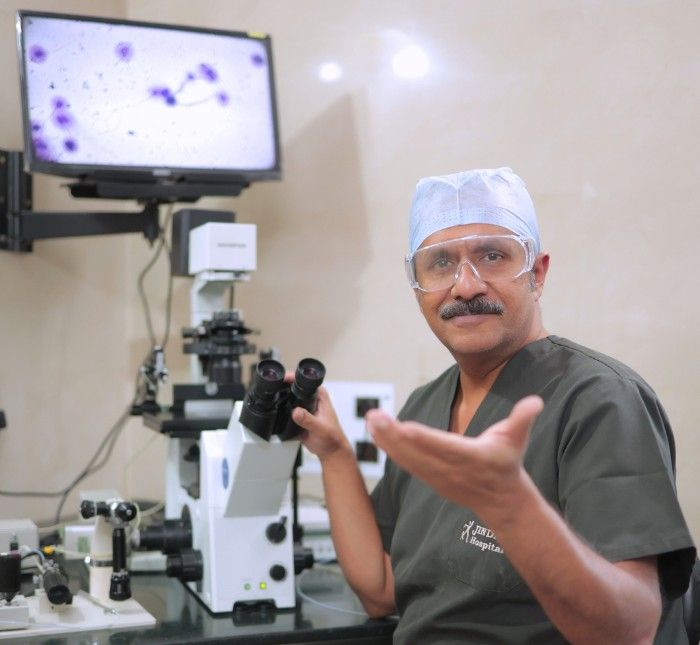
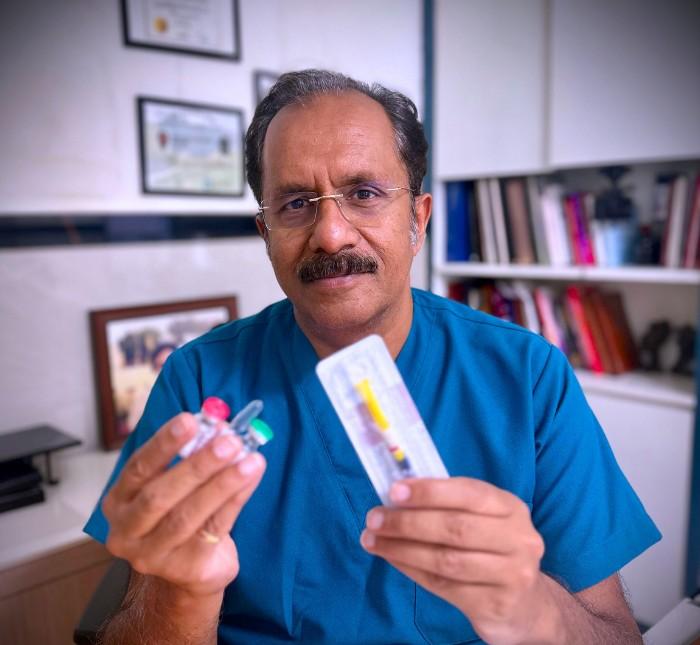
Cryopreservation is a revolutionary technique in the field of reproductive medicine that allows individuals and couples to preserve their fertility for future use. Whether facing medical treatments that may impact fertility or simply planning for future family-building, cryopreservation offers a way to safeguard reproductive potential. Led by experts such as Dr. Sunil Jindal and Dr. Anshu Jindal at Jindal Hospital & Fertility Centre, let’s explore the significance, process, and benefits of cryopreservation:
What is Cryopreservation?
Cryopreservation is the process of freezing and storing reproductive cells (eggs, sperm, or embryos) at extremely low temperatures to preserve their viability for future use. This technique ensures that these cells remain healthy and functional until the time they are needed for fertility treatments.
Indications for Cryopreservation
1. Fertility Preservation
- Individuals facing medical treatments such as chemotherapy or radiation therapy that may impact fertility often opt for cryopreservation.
- Freezing eggs or sperm before treatment offers a chance to preserve fertility and have biological children in the future.
2. Delayed Parenthood
- Many individuals and couples choose to freeze their eggs or embryos to delay parenthood for personal or professional reasons.
- Cryopreservation allows them to maintain reproductive options while pursuing other aspects of their lives.
3. Genetic Testing
- Cryopreservation is often used in conjunction with preimplantation genetic testing (PGT) during IVF.
- By freezing embryos after biopsy for genetic testing, couples can wait for results before selecting healthy embryos for transfer.
4. Donor Sperm or Eggs
- Donor sperm or eggs can be cryopreserved for future use in artificial insemination or IVF.
- This option provides flexibility and convenience for individuals or couples using donor gametes.
The Cryopreservation Process
1. Egg or Sperm Retrieval
- For egg cryopreservation, women undergo ovarian stimulation with fertility medications to produce multiple eggs.
- Eggs are then retrieved through a minimally invasive procedure called egg retrieval.
- For sperm cryopreservation, men provide a semen sample through masturbation at the clinic.
2. Freezing and Storage
- The retrieved eggs or sperm are carefully prepared and frozen using specialized cryoprotectants.
- Cryoprotectants help protect the cells from damage during the freezing process.
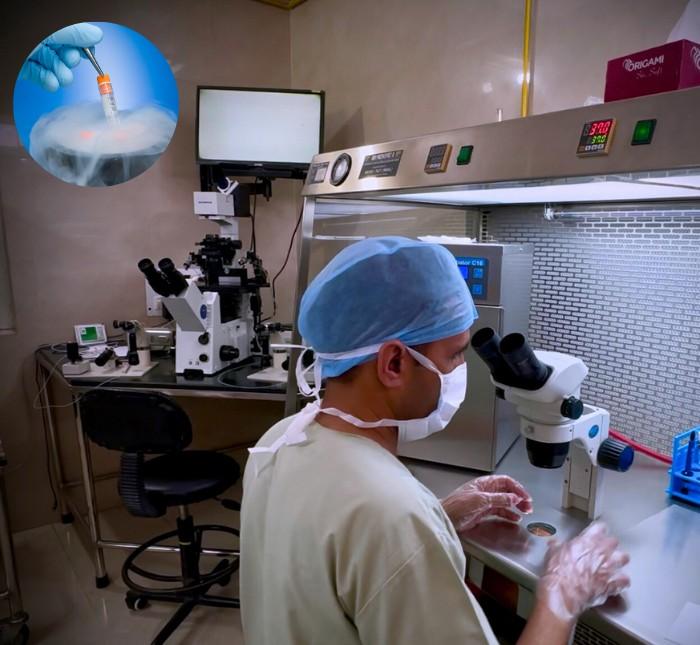
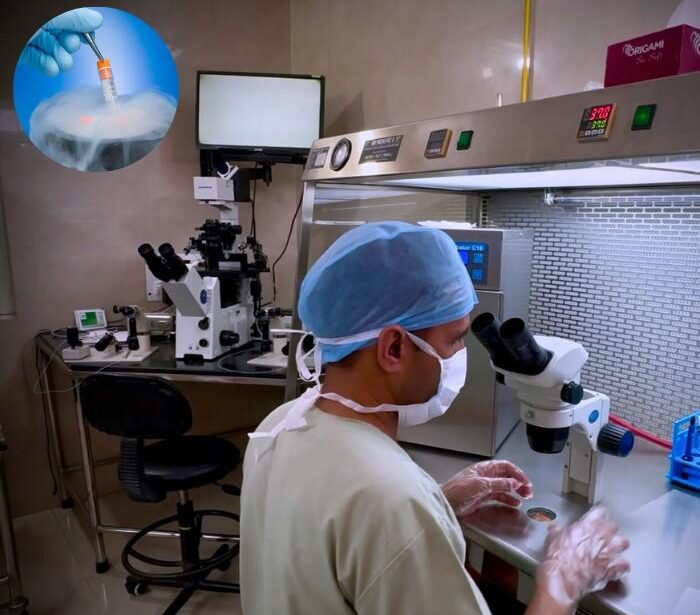
- The frozen samples are then stored in cryogenic tanks at ultra-low temperatures (-196°C).
3. Thawing and Usage
- When the individual or couple is ready to use the cryopreserved cells, they are thawed under controlled conditions.
- Thawed eggs can be fertilized with sperm in the laboratory to create embryos for transfer.
- Thawed sperm can be used for intrauterine insemination (IUI) or IVF.
Benefits of Cryopreservation
1. Preservation of Fertility
- Cryopreservation allows individuals to preserve their fertility in the face of medical treatments or life circumstances.
- This technique offers hope for future parenthood and biological children.
2. Flexibility in Family Planning
- Couples can choose when they are ready to start a family without worrying about age-related decline in fertility.
- Cryopreservation provides flexibility and control in family-building decisions.
3. Minimally Invasive Procedure
- Egg and sperm retrieval for cryopreservation are minimally invasive procedures performed in an outpatient setting.
- Patients can typically resume normal activities shortly after the procedures.
4. Peace of Mind
- Knowing that reproductive cells are safely stored and available for future use provides peace of mind.
- Couples can focus on their current health or life goals without the stress of fertility concerns.
Conclusion
Cryopreservation is a remarkable advancement in reproductive medicine, offering individuals and couples the opportunity to preserve their fertility and future parenthood options. Whether facing medical treatments, delaying parenthood for personal reasons, or pursuing assisted reproduction, cryopreservation provides a pathway to hope. At Jindal Hospital & Fertility Centre, under the expert guidance of Dr. Sunil Jindal and Dr. Anshu Jindal, we are dedicated to helping individuals preserve their fertility and achieve their dreams of starting or expanding their families. If you are considering cryopreservation or have questions about the process and its benefits, we encourage you to schedule a consultation with our team. Together, we can navigate the journey to preserving your reproductive potential with care and compassion.
The Procedure of Cryopreservation: Safeguarding Fertility for the Future
Introduction
Cryopreservation is a groundbreaking technique that allows individuals and couples to preserve their reproductive cells (eggs, sperm, or embryos) for future use. This process involves carefully freezing and storing these cells at ultra-low temperatures to maintain their viability and integrity. Led by experts such as Dr. Sunil Jindal and Dr. Anshu Jindal at Jindal Hospital & Fertility Centre, let’s delve into the detailed procedure of cryopreservation:
1. Egg Cryopreservation Procedure
Ovarian Stimulation
- Women undergoing egg cryopreservation begin with ovarian stimulation using fertility medications.
- This stimulates the ovaries to produce multiple eggs, increasing the chances of a successful retrieval.
Monitoring and Egg Maturation
- Throughout the stimulation cycle, the progress of egg development is monitored through ultrasound scans and blood tests.
- Once the eggs reach optimal maturity, a trigger injection is given to prepare for egg retrieval.
Egg Retrieval
- The egg retrieval procedure is a minimally invasive process performed under sedation.
- A thin, hollow needle is guided through the vaginal wall to access the ovaries.
- The follicular fluid containing the mature eggs is aspirated from the follicles.
Egg Preparation and Cryopreservation
- The retrieved eggs are carefully examined for maturity and quality.
- Healthy and mature eggs are then prepared for cryopreservation.
- Cryoprotectants, special solutions that protect the cells during freezing, are added to the eggs.
Freezing Process
- The eggs are slowly cooled to a very low temperature to prevent ice crystal formation.
- They are then transferred to cryogenic vials or straws and placed into cryogenic storage tanks.
2. Sperm Cryopreservation Procedure
Semen Sample Collection
- Men provide a semen sample through masturbation at the clinic.
- The sample is collected in a sterile container and evaluated for sperm count, motility, and morphology.
Sperm Preparation
- The semen sample undergoes a preparation process to concentrate and separate the healthy sperm from other components.
- Cryoprotectants are added to protect the sperm during freezing.
Freezing Process
- The prepared sperm is slowly cooled to a very low temperature.
- It is then divided into small vials or straws for individual storage.
- The vials/straws are carefully labeled and placed into cryogenic storage tanks for long-term preservation.
3. Embryo Cryopreservation Procedure
IVF Procedure
- Embryo cryopreservation is often performed in conjunction with in vitro fertilization (IVF).
- After egg retrieval and fertilization in the laboratory, embryos develop to the blastocyst stage (around day 5 or 6).
Embryo Assessment
- The embryos are carefully assessed for quality and development.
- High-quality, healthy embryos are selected for cryopreservation.
Cryoprotectant Addition
- Cryoprotectants are added to the embryos to protect them during the freezing process.
Slow Freezing or Vitrification
- Embryos can be frozen using either a slow freezing method or a newer technique called vitrification.
- Vitrification involves rapid freezing, which reduces the formation of ice crystals and preserves embryo viability.
Storage of Cryopreserved Embryos
- The cryopreserved embryos are placed into labeled vials or straws.
- These vials/straws are then carefully stored in cryogenic tanks at ultra-low temperatures.
4. Post-Cryopreservation Care
Storage and Monitoring
- Cryopreserved samples are stored in secure cryogenic tanks with continuous temperature monitoring.
- Regular quality checks and monitoring ensure the integrity of the stored cells.
Thawing and Usage
- When the individual or couple is ready to use the cryopreserved cells, they are thawed under controlled conditions.
- Thawed eggs can be fertilized with sperm for IVF, thawed sperm can be used for IUI or IVF, and thawed embryos can be transferred to the uterus.
Benefits of Cryopreservation
- Preservation of Fertility: Provides a way to preserve fertility for individuals facing medical treatments or those planning for delayed parenthood.
- Flexibility in Family Planning: Allows individuals and couples to choose the timing of starting a family without age-related fertility concerns.
- Minimally Invasive: The procedures for egg and sperm retrieval are minimally invasive and performed in outpatient settings.
- Peace of Mind: Knowing that reproductive options are preserved offers peace of mind and reduces the stress associated with fertility concerns.
Conclusion
Cryopreservation is a remarkable advancement in reproductive medicine, offering individuals and couples the opportunity to safeguard their fertility for the future. Whether preserving eggs, sperm, or embryos, this process provides hope and options for those facing medical treatments, genetic risks, or personal circumstances. At Jindal Hospital & Fertility Centre, under the expert care of Dr. Sunil Jindal and Dr. Anshu Jindal, we are dedicated to helping individuals preserve their reproductive potential with compassion and expertise. If you are considering cryopreservation or have questions about the procedure, benefits, or process, we encourage you to schedule a consultation with our team. Together, we can navigate the path to preserving your fertility and achieving your dream of parenthood.
Why Choose Jindal Hospital & Fertility Centre for Cryopreservation
Preserve your reproductive potential with confidence. At Jindal Hospital & Fertility Centre, our team led by Dr. Sunil Jindal and Dr. Anshu Jindal combines deep clinical expertise with modern technology and compassionate care to deliver outstanding results in cryopreservation.
1. Expertise You Can Trust
Led by Dr. Sunil Jindal and Dr. Anshu Jindal, our fertility specialists bring decades of experience in reproductive medicine, ensuring your fertility preservation journey is safe, smooth, and successful.
2. Advanced Technology & Modern Infrastructure
We use state-of-the-art cryogenic storage systems and cutting-edge laboratory equipment. Every sample is handled with strict quality control to protect viability for years to come.
3. Personalized Fertility Preservation Plans
Whether freezing eggs, sperm, or embryos, our specialists design a customized plan that fits your medical needs, timeline, and family-building goals.
4. Compassionate Care & Ongoing Support
We provide emotional and practical support from consultation through post-preservation follow-ups — ensuring you feel informed and cared for at every step.
5. Proven Success Rates
With expert handling and precision technology, our clinic has a strong track record of positive outcomes in cryopreservation and related fertility treatments.
6. Commitment to Excellence
Excellence guides everything we do — from our skilled professionals to our modern facilities — so you receive the highest standard of fertility preservation care.
Your fertility, your future — preserve it with confidence.
The Do’s and Don’ts of Cryopreservation: Expert Tips from Dr. Sunil Jindal, Dr. Anshu Jindal, and Jindal Hospital & Fertility Centre
Cryopreservation is a groundbreaking technique that allows individuals and couples to preserve their reproductive cells for future fertility treatments. Led by renowned specialists Dr. Sunil Jindal and Dr. Anshu Jindal at Jindal Hospital & Fertility Centre, understanding the do’s and don’ts of cryopreservation is crucial for a successful and safe procedure. Here are some expert tips to guide you through the process:
The Do’s of Cryopreservation
- 1. Choose a Trusted Clinic
Do: Select a reputable clinic with expertise in cryopreservation techniques.
Why: Clinics like Jindal Hospital & Fertility Centre led by Dr. Sunil Jindal and Dr. Anshu Jindal ensure the highest standards of care and success rates. - 2. Follow Pre-Cryopreservation Instructions
Do: Adhere to the pre-cryopreservation instructions provided by your fertility specialist.
Why: Proper preparation helps optimize the quality of your reproductive cells. - 3. Undergo Necessary Screening Tests
Do: Complete all required screening tests recommended by your fertility specialist.
Why: Screening ensures you are a suitable candidate and helps identify any potential risks. - 4. Discuss Your Options
Do: Have an open discussion with your specialist about your goals and available options.
Why: Understanding your choices allows you to make informed decisions. - 5. Maintain a Healthy Lifestyle
Do: Prioritize a healthy lifestyle with good nutrition, regular exercise, and rest.
Why: A healthy lifestyle can improve the success of the cryopreservation process. - 6. Keep Records and Documentation
Do: Maintain accurate records and documentation of your cryopreservation process.
Why: Proper documentation ensures smooth communication and progress tracking. - 7. Follow Post-Cryopreservation Care Instructions
Do: Follow post-care instructions from your fertility clinic.
Why: Proper post-procedure care maintains the quality of your preserved cells. - 8. Attend Follow-Up Appointments
Do: Attend all scheduled follow-up appointments.
Why: Follow-ups help your doctor monitor progress and address concerns.
The Don’ts of Cryopreservation
- 1. Don’t Delay Consultation
Don’t: Wait too long to schedule a fertility consultation.
Why: Early consultation allows for timely planning and preparation. - 2. Don’t Skip Pre-Cryopreservation Tests
Don’t: Neglect any recommended pre-cryopreservation tests.
Why: Tests help assess your fertility status and ensure success. - 3. Don’t Disregard Medication Instructions
Don’t: Alter or ignore prescribed medication instructions.
Why: Medications are crucial to optimize cell quality for preservation. - 4. Don’t Ignore Lifestyle Factors
Don’t: Overlook lifestyle habits such as smoking or poor diet.
Why: Unhealthy habits can negatively affect reproductive cell quality. - 5. Don’t Skip Follow-Up Visits
Don’t: Miss scheduled follow-up visits after the procedure.
Why: Follow-ups allow ongoing monitoring of your reproductive health. - 6. Don’t Assume Storage Indefinitely
Don’t: Assume cryopreserved samples can be stored indefinitely without checks.
Why: Regular checks ensure sample viability and integrity. - 7. Don’t Hesitate to Ask Questions
Don’t: Be afraid to ask your fertility specialist questions.
Why: Clear communication is key to a successful outcome.
Conclusion
Cryopreservation at Jindal Hospital & Fertility Centre under the guidance of Dr. Sunil Jindal and Dr. Anshu Jindal offers a reliable path to preserving fertility and achieving future parenthood dreams. By following these expert tips, you can ensure the success and safety of your procedure.
If you are considering cryopreservation or have questions about the process, benefits, or our services, we invite you to schedule a consultation with our team. We are here to support you on your journey to preserving your fertility and building the family of your dreams.
Most Ask
FAQs About Cryopreservation
Conclusion
Your fertility is your future — and at Jindal Hospital & Fertility Centre, we help you protect it with science and sensitivity.
Under Dr. Sunil Jindal and Dr. Anshu Jindal’s expert leadership, our cryopreservation program uses world-class vitrification technology for long-term storage of eggs, sperm, and embryos — preserving reproductive potential with the highest safety standards.
Whether you’re delaying parenthood, preparing for medical treatment, or planning for IVF, we provide secure, ethical, and confidential fertility preservation services.
🌟 Because tomorrow deserves a chance. Choose Jindal Hospital — where science safeguards your dreams of future parenthood.