Blocked Fallopian Tubes and Infertility: Understanding the Link and Treatment Options
Blocked fallopian tubes are a common cause of female infertility, affecting the ability of eggs to travel from the ovaries to the uterus and preventing fertilization. In this detailed article, we delve into the connection between blocked fallopian tubes and infertility, along with the treatment options available.Understanding Blocked Fallopian Tubes
Fallopian tubes are narrow, muscular tubes that connect the ovaries to the uterus. They serve a crucial role in the reproductive process by providing a pathway for eggs to travel from the ovaries, where they are released during ovulation, to the uterus, where fertilization occurs. When one or both of the fallopian tubes are blocked, it can prevent sperm from reaching the egg or the fertilized egg from traveling to the uterus for implantation.Causes of Blocked Fallopian Tubes
- Pelvic Inflammatory Disease (PID): A common cause of tubal blockage, often resulting from untreated sexually transmitted infections such as chlamydia or gonorrhea.
- Endometriosis: A condition where tissue similar to the uterine lining grows outside the uterus, potentially blocking the fallopian tubes.
- Pelvic Surgery: Previous surgeries in the pelvic area, such as surgeries for ectopic pregnancy or ovarian cysts, can cause scarring and blockage.
- Previous Pelvic Infections: Infections not related to sexually transmitted diseases can also lead to tubal blockage.
- Uterine Fibroids: Large uterine fibroids near the fallopian tubes can obstruct their openings.
- History of Abdominal Surgery: Surgeries such as appendectomies or surgeries for bowel conditions can cause adhesions that block the tubes.
Symptoms of Blocked Fallopian Tubes
Blocked fallopian tubes often do not present any noticeable symptoms themselves. However, some women may experience symptoms related to the underlying cause, such as:- Irregular menstrual cycles
- Pelvic pain or discomfort
- Painful intercourse
- Painful periods
- Difficulty getting pregnant
How Blocked Fallopian Tubes Cause Infertility
When fallopian tubes are blocked, they prevent the sperm from reaching the egg or the fertilized egg from traveling to the uterus for implantation. This interference with the natural process of fertilization and implantation can lead to infertility. If the egg cannot meet the sperm for fertilization, pregnancy cannot occur.Diagnosis of Blocked Fallopian Tubes
If blocked fallopian tubes are suspected as a cause of infertility, your doctor may recommend the following tests:- Hysterosalpingography (HSG): This test involves injecting a special dye into the uterus and fallopian tubes to observe the flow of the dye on X-ray images. Blocked tubes will prevent the dye from passing through.
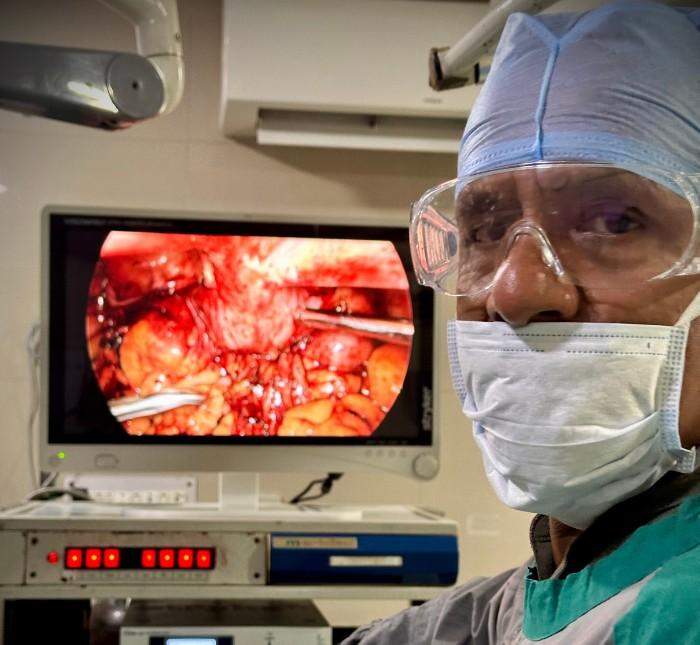
- Laparoscopy: A minimally invasive surgical procedure where a tiny camera is inserted through a small incision in the abdomen to directly visualize the fallopian tubes.
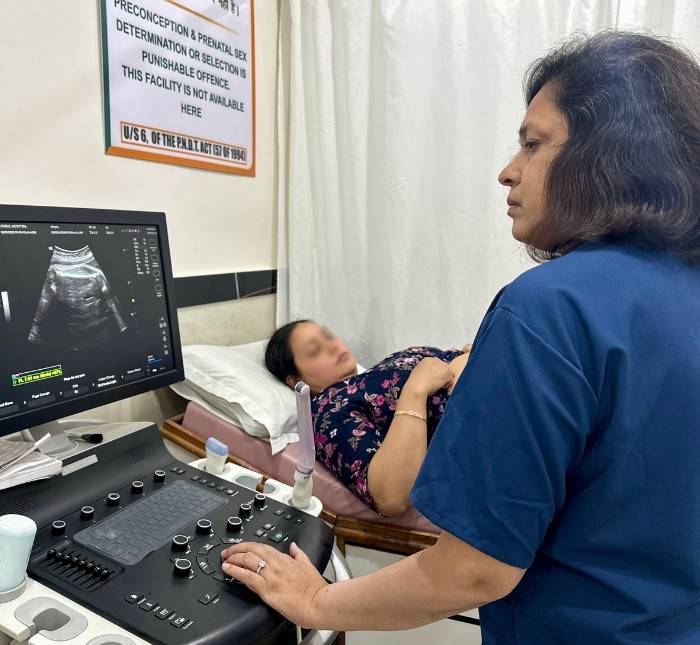
- Transvaginal Ultrasound: An ultrasound probe is inserted into the vagina to visualize the fallopian tubes and look for signs of blockage, after injecting saline or specialized dye.
Treatment Options for Blocked Fallopian Tubes
The treatment for blocked fallopian tubes depends on the cause, severity of the blockage, and the patient’s overall health and fertility goals. There are several treatment options available, ranging from medications to surgical procedures.
1. Surgical Procedures
- Laparoscopic Surgery: This minimally invasive procedure involves making small incisions in the abdomen through which a thin, lighted tube with a camera (laparoscope) is inserted. The surgeon can visualize the fallopian tubes and attempt to remove any blockages, especially those caused by pelvic inflammatory disease (PID) or endometriosis.
- Hysteroscopic Surgery: Used when the blockage is at the entrance of the fallopian tube (proximal tubal occlusion). A hysteroscope is inserted through the cervix into the uterus to remove blockage or scar tissue using small instruments.
- Salpingostomy: A surgical incision is made in the fallopian tube to remove blockages or create a new opening. Often used for proximal blockages or hydrosalpinx (fluid-filled fallopian tubes).
- Salpingectomy: If the fallopian tube is severely damaged or cannot be repaired, it may be removed. This helps prevent ectopic pregnancies and may improve IVF success rates.
2. Tubal Cannulation
- Tubal Cannulation: A thin, flexible catheter is inserted through the cervix into the fallopian tubes. A balloon or small device is then used to open the blockage and restore egg and sperm flow. It is typically used for minor blockages or adhesions.
3. In Vitro Fertilization (IVF)
- IVF: In vitro fertilization is a highly effective fertility treatment that bypasses the fallopian tubes. It involves stimulating the ovaries, retrieving eggs, fertilizing them in a lab, and transferring embryos into the uterus. IVF is ideal for women with severe tubal blockages or those who have had unsuccessful tubal surgeries, offering high success rates.
4. Tubal Reversal Surgery
- Tubal Reversal Surgery: Also known as tubal reanastomosis, this procedure reconnects fallopian tubes after a previous tubal ligation. It involves removing the blocked segment and rejoining the healthy sections, offering a chance to restore fertility.
Considering the Best Treatment Option
The choice of treatment depends on various factors, including the cause and severity of the blockage, the patient’s age, health, and reproductive goals. Consulting a fertility specialist is essential to determine the most appropriate and effective treatment approach.
At Jindal Hospital & Fertility Centre, our experienced team, led by Dr. Sunil Jindal and Dr. Anshu Jindal, provides personalized care and advanced treatment options for women with blocked fallopian tubes. We understand the emotional and physical challenges of infertility and are here to support our patients every step of the way.
If you suspect blocked fallopian tubes or are facing difficulty conceiving, schedule a consultation with us. Together, we can explore the treatment options and design a customized plan to help you fulfill your dream of parenthood.
Do’s and Don’ts for Managing Blocked Fallopian Tubes and Infertility
Do’s
- Seek Medical Advice: If you suspect you have blocked fallopian tubes or are experiencing symptoms of infertility, it is essential to consult a fertility specialist.
- Follow Treatment Plans: Once diagnosed, follow your doctor’s recommended treatment plan diligently. This may include medications, surgical procedures, or fertility treatments.
- Maintain a Healthy Lifestyle: A healthy lifestyle can support fertility. Eat a balanced diet, exercise regularly, and maintain a healthy weight.
- Stay Informed: Educate yourself about your condition. Understand the causes, symptoms, and treatment options available to you.
- Consider Fertility Counseling: Dealing with infertility can be emotionally challenging. Seeking counseling or support groups can provide valuable emotional support.
Don’ts
- Delay Treatment: Blocked fallopian tubes can impact fertility, so it’s crucial not to delay seeking treatment once diagnosed.
- Ignore Symptoms: If you experience symptoms such as irregular menstrual cycles, pelvic pain, or painful intercourse, do not ignore them. These could be signs of a more serious issue.
- Self-Medicate: Avoid self-prescribing medications or treatments without consulting a healthcare professional.
- Overexert Yourself: After surgical procedures or fertility treatments, it’s essential to give your body time to heal. Avoid strenuous activities that could put stress on your body.
- Neglect Emotional Well-Being: Dealing with infertility can be emotionally draining. It’s important to prioritize your mental health and seek support when needed.
Additional Tips
- Manage Stress: Stress can affect fertility, so practice stress-reducing techniques such as meditation, yoga, or deep breathing exercises.
- Avoid Smoking and Alcohol: Both smoking and excessive alcohol consumption can negatively impact fertility.
- Stay Positive: Remember that infertility is a medical condition and not a reflection of your worth as a person. Stay positive and hopeful throughout your fertility journey.
By following these do’s and don’ts, you can take proactive steps to manage your condition and improve your chances of achieving pregnancy. Remember to always consult with your healthcare provider for personalized advice and treatment recommendations.
Most Ask
FAQs About Blocked Fallopian Tubes: Understanding Causes, Symptoms, and Treatment
Blocked fallopian tubes occur when one or both of the tubes that connect the
ovaries to the uterus are obstructed. This obstruction prevents eggs from traveling
from the ovaries to the uterus, leading to infertility.
Causes of Blocked Fallopian Tubes
- Pelvic Inflammatory Disease (PID): a common cause, usually resulting from untreated sexually transmitted infections.
- Endometriosis: the growth of tissue outside the uterus that can block the fallopian tubes.
- Pelvic surgery: scarring from surgeries such as those for ectopic pregnancy or ovarian cysts.
- Previous infections: infections in the pelvic area that can cause scarring and blockages.
- Uterine fibroids: benign growths in the uterus that can press on or block the tubes.
Symptoms of Blocked Fallopian Tubes
Blocked fallopian tubes may not cause noticeable symptoms, but some women may experience:
- Pelvic pain
- Pain during intercourse
- Irregular menstrual cycles
- Painful periods
- Difficulty getting pregnant
Blocked fallopian tubes prevent the sperm from reaching the egg or the fertilized
egg from traveling to the uterus for implantation. This can significantly reduce the
chances of conception.
Diagnosis of Blocked Fallopian Tubes
Diagnosis of blocked fallopian tubes may involve:
- Hysterosalpingography (HSG): X-ray with dye to visualize the tubes.
- Laparoscopy: Surgical procedure with a camera to directly view the tubes.
- Transvaginal Ultrasound: Imaging to assess the tubes’ condition.
Treatment Options for Blocked Fallopian Tubes
Treatment options for blocked fallopian tubes include:
- Fertility Medications: To stimulate ovulation.
- Surgery: To remove blockages or repair the tubes.
- In Vitro Fertilization (IVF): Bypasses the tubes for conception.
The success of surgery depends on the cause and extent of the blockage. In some
cases, surgery can restore fertility, while in others, IVF may be recommended.
Yes, there is a possibility of recurrence, especially if the underlying cause is not
addressed.
While lifestyle changes cannot directly treat blocked tubes, they may help improve
overall reproductive health. These include maintaining a healthy weight, avoiding
smoking, and managing stress.
While some women may try natural remedies or supplements, such as fertility herbs
or acupuncture, it is essential to consult with a healthcare provider before trying any
alternative treatments.
Conclusion
A diagnosis of blocked fallopian tubes doesn’t end your dream of becoming a mother — it simply means you need the right path forward. At Jindal Hospital & Fertility Centre, we’ve turned countless “impossible” cases into stories of joy.
With 30+ years of expertise in laparoscopy, hysteroscopy, tubal repair, and IVF, Dr. Anshu Jindal and Dr. Sunil Jindal bring unparalleled skill and compassion to every patient’s journey.
Our center offers minimally invasive tubal surgeries, IVF programs that bypass tubal blockage, and personalized fertility restoration plans, supported by advanced imaging and ethical care.
🌸 Where others see barriers, we see possibilities. Book your consultation at Jindal Hospital & Fertility Centre — and take the next step toward motherhood with confidence and hope.