Micro-TESE (Microsurgical Testicular Sperm Extraction): A Comprehensive Guide
Introduction
Micro-TESE (Microsurgical Testicular Sperm Extraction) is a specialized procedure that offers hope to men with non-obstructive azoospermia, a condition where sperm production is impaired in the testicles. This advanced technique allows for the precise extraction of sperm directly from the testicular tissue, offering a chance for biological fatherhood. In this comprehensive guide, we delve into the details of Micro-TESE, its indications, procedure, and success rates.
What is Micro-TESE?
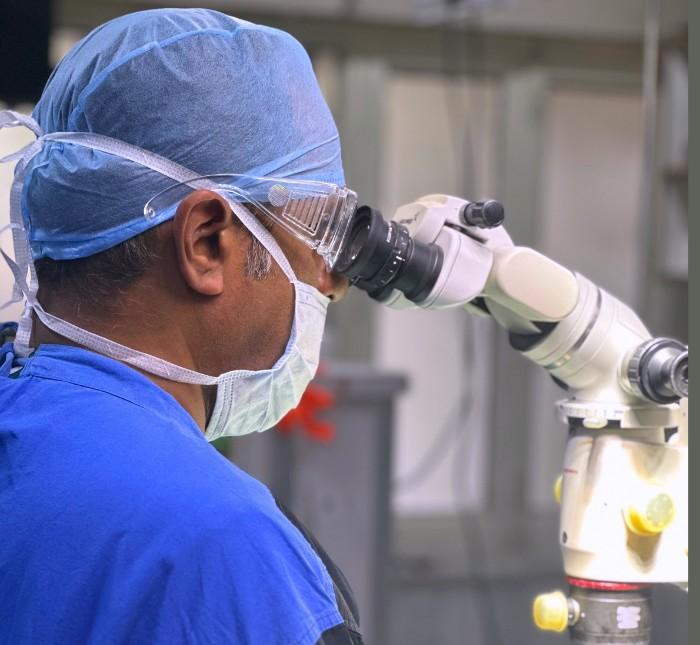
Micro-TESE is a microsurgical procedure designed to retrieve sperm from the testicles of men with non-obstructive azoospermia. Unlike traditional TESE (Testicular Sperm Extraction), Micro-TESE utilizes high-powered optical magnification to identify areas of sperm production within the testicular tissue. This precision allows for the extraction of viable sperm while minimizing damage to the surrounding tissue.
Indications for Micro-TESE
1. Non-Obstructive Azoospermia
- Micro-TESE is primarily indicated for men with non-obstructive azoospermia, where the production of sperm in the testicles is impaired.
- This condition may result from genetic factors, hormonal imbalances, or testicular injury.
2. Previous Failed Sperm Retrieval
- Men who have undergone conventional TESE procedures without success may benefit from Micro-TESE.
- The high precision of Micro-TESE increases the likelihood of finding viable sperm in men with challenging cases.
3. Congenital Conditions
- Certain congenital conditions, such as Klinefelter syndrome or Sertoli cell-only syndrome, may lead to non-obstructive azoospermia.
- Micro-TESE offers a method of sperm retrieval for men with these conditions who desire biological fatherhood.
4. Post-Chemotherapy or Radiation Therapy
- Cancer treatments such as chemotherapy or radiation therapy can affect sperm production in the testicles.
- Micro-TESE provides an option for men who have undergone these treatments and are now seeking fertility preservation.
The Micro-TESE Procedure
1. Preparation
- The patient undergoes a thorough evaluation, including hormone testing and testicular imaging.
- Dr. Sunil Jindal and Dr. Anshu Jindal at Jindal Hospital & Fertility Centre will discuss the procedure in detail and answer any questions.
2. Surgical Technique
- The patient is placed under general anesthesia to ensure comfort during the procedure.
- A small incision is made in the scrotum, and the testicle is exposed.
- Using a high-powered microscope, the surgeon identifies seminiferous tubules within the testicular tissue.
3. Sperm Retrieval
- Using specialized microsurgical instruments, the surgeon carefully removes tiny samples of testicular tissue.
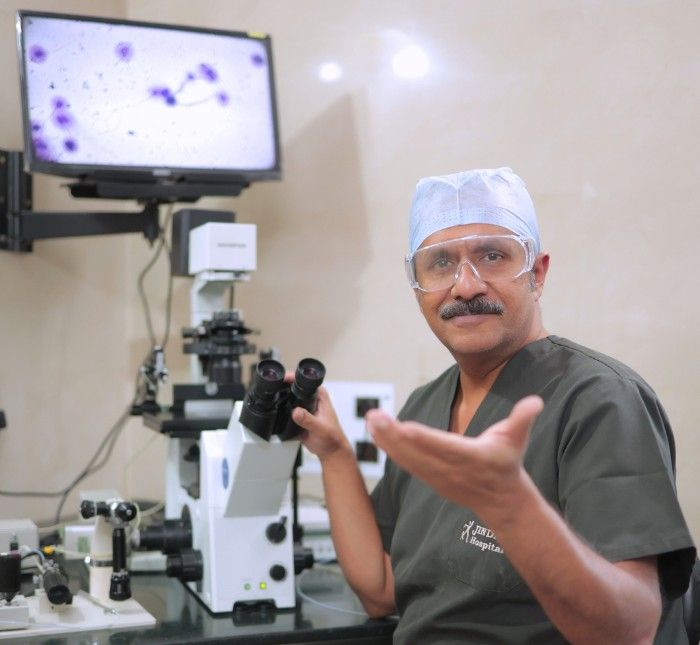
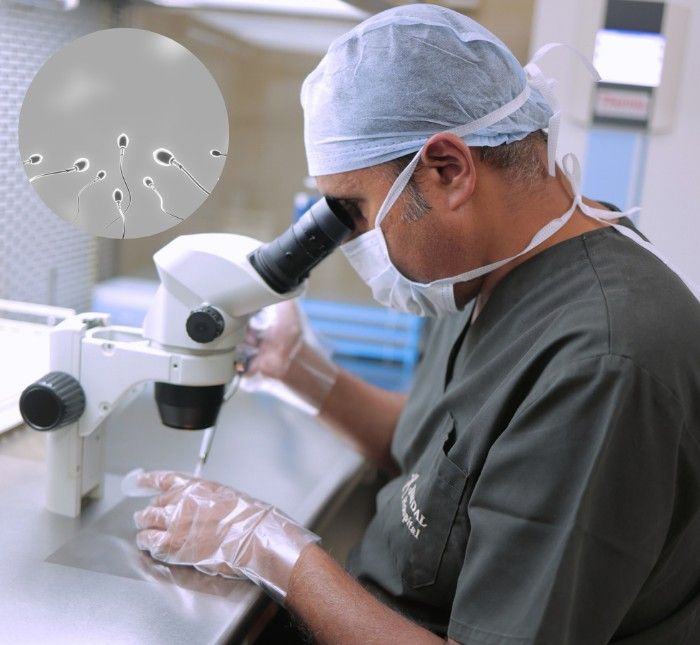
- These samples are examined under the microscope in real-time to look for the presence of sperm.
4. Sperm Freezing
- If viable sperm are found, they are carefully collected and prepared for freezing or immediate use in IVF (In Vitro Fertilization) or ICSI (Intracytoplasmic Sperm Injection).
- Sperm freezing allows for future fertility treatments without the need for repeated Micro-TESE procedures.
Success Rates of Micro-TESE
- The success of Micro-TESE largely depends on the underlying cause of non-obstructive azoospermia.
- Overall, Micro-TESE has shown higher success rates compared to conventional TESE procedures.
- Success rates can range from 30% to 70%, with factors such as age, testicular histology, and surgeon expertise playing a role.
Post-Procedure Recovery
- After Micro-TESE, patients may experience mild discomfort, bruising, or swelling in the scrotal area.
- Dr. Sunil Jindal and Dr. Anshu Jindal will provide post-operative instructions for proper wound care and pain management.
- Most patients can resume normal activities within a few days to a week after the procedure.
Conclusion
Micro-TESE is a groundbreaking procedure that offers hope to men with non-obstructive azoospermia, providing a pathway to biological fatherhood. At Jindal Hospital & Fertility Centre, our expert team led by Dr. Sunil Jindal and Dr. Anshu Jindal is dedicated to offering the latest advancements in fertility treatments. If you or your partner are facing challenges with male infertility, consider the option of Micro-TESE for sperm retrieval. Contact us today to schedule a consultation and explore the possibilities of starting or expanding your family.
The Procedure of Micro-TESE (Microsurgical Testicular Sperm Extraction)
Introduction
Micro-TESE (Microsurgical Testicular Sperm Extraction) is a specialized and precise procedure designed to retrieve sperm from the testicles of men with non-obstructive azoospermia. Led by experts such as Dr. Sunil Jindal and Dr. Anshu Jindal at Jindal Hospital & Fertility Centre, the procedure offers hope to men seeking to overcome infertility challenges. Here is a detailed overview of the Micro-TESE procedure:
1. Pre-Procedure Preparation
Consultation and Evaluation
- Before undergoing Micro-TESE, patients will have a thorough consultation with Dr. Sunil Jindal and Dr. Anshu Jindal.
- A comprehensive evaluation of the patient’s medical history, fertility status, and testicular health will be conducted.
Hormone Testing and Imaging
- Hormone testing, such as measuring levels of testosterone and follicle-stimulating hormone (FSH), helps assess testicular function.
- Testicular imaging, such as ultrasound, may be performed to visualize the testicular structure and identify potential areas for sperm extraction.
2. Day of the Micro-TESE Procedure
Anesthesia
- Micro-TESE is typically performed under general anesthesia to ensure the patient’s comfort and minimize any discomfort during the procedure.
Incision and Exposure
- Once the patient is under anesthesia, a small incision is made in the scrotum to access the testicle.
- The testicle is carefully exposed, and the surrounding tissue is handled with precision and care.
Microscopic Examination
- A high-powered surgical microscope is used to magnify the testicular tissue, allowing for detailed visualization of the seminiferous tubules.
- Dr. Sunil Jindal and Dr. Anshu Jindal meticulously examine the tissue to identify areas where sperm production is likely to occur.
Tissue Biopsy
- Using specialized microsurgical instruments, small biopsies of the testicular tissue are taken from the identified areas.
- The biopsied tissue samples are handled delicately to minimize trauma and preserve the integrity of the sperm.
Real-Time Examination
- The biopsied tissue samples are immediately examined under the microscope in the operating room.
- This real-time examination allows the surgeons to assess the presence of sperm within the tissue.
Sperm Retrieval
- If viable sperm are found within the tissue samples, they are carefully extracted using micropipettes or other delicate tools.
- The retrieved sperm are then prepared for immediate use in IVF (In Vitro Fertilization) or ICSI (Intracytoplasmic Sperm Injection) procedures.
3. Post-Procedure Recovery
Wound Closure
- Once the sperm retrieval process is complete, the incision in the scrotum is closed with dissolvable sutures.
- The surgical site is dressed with sterile bandages to promote healing.
Recovery Room
- Patients are monitored in the recovery room to ensure stability and comfort.
- Pain medication and instructions for post-operative care are provided to manage any discomfort or swelling.
Follow-Up Care
- Patients will schedule follow-up appointments with Dr. Sunil Jindal and Dr. Anshu Jindal to monitor recovery and discuss next steps.
- Any concerns or questions regarding post-operative care, sperm quality, or fertility treatment options can be addressed during these appointments.
Conclusion
Micro-TESE is a highly specialized and precise procedure that offers hope to men with non-obstructive, borderline, and difficult cases of azoospermia. Under the expert care of specialists such as Dr. Sunil Jindal and Dr. Anshu Jindal at Jindal Hospital & Fertility Centre, patients can undergo this procedure with confidence. If you are considering Micro-TESE or have been diagnosed with non-obstructive azoospermia, we encourage you to schedule a consultation with our team. We are dedicated to providing personalized care, advanced techniques, and compassionate support to help you on your journey to parenthood.
Why Choose Micro-TESE (Microsurgical Testicular Sperm Extraction) at Jindal Hospital & Fertility Centre?
Introduction
Micro-TESE (Microsurgical Testicular Sperm Extraction) is a specialized procedure that offers hope and a pathway to biological fatherhood for men with non-obstructive azoospermia. When considering this advanced technique, choosing the right healthcare provider is crucial for success.
At Jindal Hospital & Fertility Centre, under the expert care of Dr. Sunil Jindal and Dr. Anshu Jindal, you can expect exceptional expertise, personalized care, and a commitment to achieving your fertility goals. Here’s why you should choose Micro-TESE with us:
1. Expertise of Renowned Specialists
Dr. Sunil Jindal and Dr. Anshu Jindal are renowned specialists in the field of male infertility and Assisted Reproductive Technology (ART). With years of experience and a track record of success, they are pioneers in performing Micro-TESE procedures with precision and skill.
2. Personalized Approach to Care
At Jindal Hospital & Fertility Centre, we understand that every patient is unique. We take the time to listen to your concerns, answer your questions, and develop a personalized treatment plan tailored to your needs.
3. Advanced Microsurgical Techniques
Micro-TESE is a delicate procedure that requires expertise in microsurgical techniques. Our team uses advanced microscopes and instruments to ensure the precise extraction of sperm with minimal tissue damage.
4. Higher Success Rates
Our clinic has a proven track record of success with Micro-TESE. We’ve helped many couples achieve parenthood by retrieving viable sperm for IVF or ICSI procedures.
5. Comprehensive Pre-Procedure Evaluation
Before Micro-TESE, you will undergo a detailed evaluation including hormone testing, testicular imaging, and a one-on-one consultation with our specialists to ensure the best course of action is planned.
6. State-of-the-Art Facilities
Jindal Hospital & Fertility Centre is equipped with the latest technology and facilities, including an advanced embryology lab for careful handling and preservation of retrieved sperm.
7. Compassionate and Supportive Staff
Our staff is committed to providing compassionate, non-judgmental support throughout your fertility journey. We understand the emotional stress that infertility brings and are here to guide you at every step.
8. Seamless Coordination of Care
From consultation to post-procedure follow-ups, our team ensures a seamless and stress-free experience by coordinating care efficiently and professionally.
9. Commitment to Patient Education
We believe in empowering patients with knowledge. Dr. Sunil and Dr. Anshu Jindal take time to explain procedures in detail so that you’re fully informed, comfortable, and confident in your treatment plan.
10. Trusted Reputation in Fertility Care
Jindal Hospital & Fertility Centre is recognized as a trusted name in fertility care. We’ve helped countless couples and individuals realize their dreams of becoming parents through our compassionate and expert approach.
Conclusion
Choosing Micro-TESE at Jindal Hospital & Fertility Centre means choosing expertise, personalized care, and a compassionate approach to fertility treatment. Under the guidance of Dr. Sunil Jindal and Dr. Anshu Jindal, you are in expert hands on your journey to parenthood.
If you are considering Micro-TESE or have any questions about male infertility treatment, we encourage you to schedule a consultation with us. Let us partner with you to turn your dream of starting or expanding your family into a reality.
The Do’s and Don’ts of Micro-TESE (Microsurgical Testicular Sperm Extraction) at Jindal Hospital & Fertility Centre
Introduction
Micro-TESE (Microsurgical Testicular Sperm Extraction) is a specialized surgical procedure performed at Jindal Hospital & Fertility Centre to retrieve sperm from the testicles of men with non-obstructive azoospermia. Led by renowned specialists Dr. Sunil Jindal and Dr. Anshu Jindal, this procedure offers hope to individuals seeking fertility treatment. To ensure the success of Micro-TESE and promote optimal recovery, it is crucial to understand the do’s and don’ts involved.
The Do’s of Micro-TESE at Jindal Hospital & Fertility Centre
- Consultation with Dr. Sunil Jindal or Dr. Anshu Jindal: Seek consultation to receive a personalized treatment plan tailored to your condition.
- Understand the Procedure: Educate yourself about the steps, risks, and expected outcomes of Micro-TESE.
- Follow Pre-Procedure Instructions: Adhere strictly to fasting, medication, and other pre-operative directions.
- Maintain a Healthy Lifestyle: Eat a nutritious diet, exercise regularly, and get enough rest to prepare your body for recovery.
- Arrange for Transportation: Ensure someone is available to drive you home after the procedure due to anesthesia effects.
- Ask Questions: Don’t hesitate to ask questions or express concerns to your doctors at any stage.
- Follow Post-Procedure Care: Carefully follow all postoperative care and wound care instructions provided by your doctor.
- Attend Follow-Up Appointments: Regular follow-ups help monitor healing and track sperm retrieval success.
- Stay Positive: A positive mindset supports mental and physical recovery.
- Be Patient: Sometimes multiple procedures are necessary; patience is essential throughout your fertility journey.
The Don’ts of Micro-TESE at Jindal Hospital & Fertility Centre
- Don’t Delay Consultation: Early diagnosis leads to better treatment outcomes—seek advice as soon as possible.
- Avoid Tobacco and Alcohol: These can negatively impact sperm quality and recovery; abstain before and after the procedure.
- Don’t Overexert Yourself: Avoid lifting heavy objects or doing strenuous activity during recovery.
- Avoid Hot Baths or Saunas: Heat can interfere with healing—stick to lukewarm showers during the recovery period.
- Don’t Skip Medications: Take all prescribed medicines on time to prevent complications and promote healing.
- Don’t Ignore Signs of Infection: Watch for pain, swelling, redness, or discharge, and report any issues promptly.
- Avoid Tight Clothing: Wear loose, comfortable clothing to reduce pressure and irritation on the surgical area.
- Don’t Engage in Sexual Activity: Wait until your doctor approves to resume intimacy, allowing the surgical site to heal fully.
- Don’t Stress: Practice stress-reducing techniques like deep breathing or meditation to support recovery.
- Don’t Hesitate to Seek Help: Reach out to Jindal Hospital & Fertility Centre if you have any concerns during recovery.
Conclusion
Micro-TESE at Jindal Hospital & Fertility Centre, under the expert care of Dr. Sunil Jindal and Dr. Anshu Jindal, provides renewed hope to men with non-obstructive azoospermia. By following the outlined do’s and don’ts, patients can maximize their chances of a successful outcome and smooth recovery. If you’re considering Micro-TESE or have any questions about the procedure, we encourage you to contact our experienced and compassionate team. We’re here to support you every step of the way on your journey to parenthood.
Most Ask
Frequently Asked Questions (FAQs) About Micro-TESE at Jindal Hospital & Fertility Centre
Conclusion
A diagnosis of non-obstructive azoospermia once meant the end of biological fatherhood. Today, Micro-TESE has changed that story—and at Jindal Hospital & Fertility Centre, we are proud to be among India’s pioneers in this life-changing procedure.
Led by Dr. Sunil Jindal and Dr. Anshu Jindal, our microsurgical team performs high-precision sperm retrieval using state-of-the-art optical magnification, identifying even the smallest pockets of active sperm while protecting healthy tissue. Supported by an AI-enabled embryology lab, retrieved sperm are used for ICSI or cryopreservation, offering real hope to men once told conception was impossible.
Every procedure is performed with empathy, expertise, and the quiet belief that miracles begin at the microscopic level.
🌱 At Jindal Hospital, Micro-TESE turns possibility into parenthood—one cell, one dream, one miracle at a time.