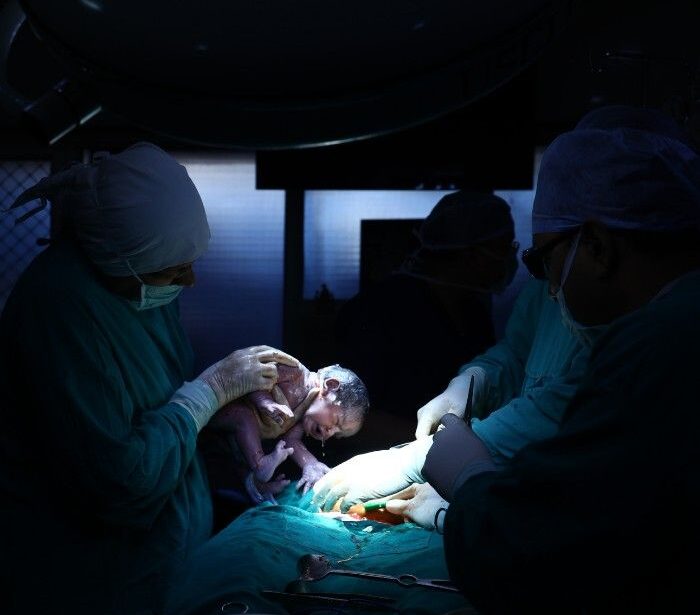
High-Risk Obstetrics: Expert Care for Complex Pregnancies at Jindal Hospital & Fertility Centre
High-risk obstetrics refers to the specialized care provided to women who have a higher chance of experiencing complications during pregnancy. These complications can arise due to various factors, such as maternal age, pre-existing medical conditions, multiple pregnancies, or a history of pregnancy complications. At Jindal Hospital & Fertility Centre, we understand the unique challenges faced by women with high-risk pregnancies and offer expert care to ensure the best possible outcomes for both mother and baby.
Understanding High-Risk Pregnancies
A pregnancy is considered high-risk when there are factors that increase the likelihood of complications before, during, or after childbirth. Some common reasons for a high-risk pregnancy include:
- Maternal Age: Women who are under 17 or over 35 years old are at a higher risk of complications.
- Pre-existing Medical Conditions: Chronic conditions such as diabetes, hypertension, heart disease, or autoimmune disorders can complicate pregnancy.
- Previous Pregnancy Complications: Women who have experienced miscarriages, preterm labor, or preeclampsia in previous pregnancies may be at risk.
- Multiple Pregnancies: Carrying twins, triplets, or more increases the risk of complications such as preterm birth and low birth weight.
- Uterine Fibroids or Abnormalities: These can affect the growth and development of the fetus.
- History of Preterm Birth: Women who have previously delivered a baby prematurely are at risk of doing so again.
Comprehensive Care for High-Risk Pregnancies
At Jindal Hospital & Fertility Centre, we provide a multidisciplinary approach to managing high-risk pregnancies. Our team of experts, including maternal-fetal medicine specialists, obstetricians, neonatologists, and other healthcare professionals, work together to create personalized care plans tailored to each patient’s specific needs. Here are some key aspects of our comprehensive care for high-risk pregnancies:
1. Specialized Prenatal Care
- Frequent Monitoring: Regular prenatal visits and ultrasounds to closely monitor the health and development of the fetus.
- Diagnostic Testing: Advanced genetic testing, fetal echocardiography, and other specialized tests to assess fetal well-being.
- Nutritional Counseling: Guidance on maintaining a healthy diet and lifestyle to support a healthy pregnancy.
2. Management of Medical Conditions
- Control of Blood Sugar: For women with diabetes, careful monitoring of blood sugar levels and adjustment of medications as needed.
- Blood Pressure Management: Close monitoring and management of hypertension to prevent complications such as preeclampsia.
- Medication Management: Ensuring that medications are safe for both mother and baby, and adjusting dosages as necessary.
3. Prevention and Treatment of Complications
- Preterm Labor Prevention: Administration of medications or interventions to prevent preterm birth.
- Preeclampsia Management: Close monitoring of blood pressure and urine protein levels, with early intervention if signs of preeclampsia develop.
- Fetal Growth Assessment: Regular ultrasounds to monitor fetal growth and well-being.
4. Labor and Delivery Planning
- Delivery Timing: Determining the optimal time for delivery to minimize risks to both mother and baby.
- Cesarean Section: Planning for a cesarean section if vaginal delivery poses risks to the mother or baby.
- Neonatal Care Team: Coordination with neonatologists and pediatric specialists for immediate care of the newborn.
Why Choose Jindal Hospital & Fertility Centre?
- Expertise: Our team of maternal-fetal medicine specialists, led by Dr. Anshu Jindal and Dr. Sunil Jindal, has extensive experience in managing high-risk pregnancies.
- State-of-the-Art Facilities: We are equipped with advanced technology for prenatal testing, fetal monitoring, and neonatal care.
- Individualized Care: We understand that every pregnancy is unique, and we tailor our approach to meet the specific needs of each patient.
- Compassionate Support: We provide emotional support and guidance to patients and their families throughout the pregnancy journey.
- Past Record: For the last 25 years, we have treated high-risk patients of IVF & ICSI and had great success in critical cases.
Conclusion
High-risk pregnancies require specialized care and attention to ensure the best possible outcomes for both mother and baby. At Jindal Hospital & Fertility Centre, we are committed to providing expert care, advanced treatments, and compassionate support to women with high-risk pregnancies. Our multidisciplinary team works together to monitor, manage, and treat complications that may arise, with the ultimate goal of a healthy pregnancy and delivery.If you are facing a high-risk pregnancy or have concerns about your pregnancy, we encourage you to schedule a consultation with our team. We are here to support you every step of the way on your journey to motherhood.
Do’s in High-Risk Obstetrics
1. Regular Prenatal Check-ups
- Tip: Attend all scheduled prenatal appointments as advised by your healthcare provider.
- Importance: Regular check-ups allow your doctor to monitor your health, track the baby’s growth, and detect any potential complications early.
2. Follow Doctor’s Advice and Treatment Plan
- Tip: Adhere to the treatment plan recommended by your healthcare provider.
- Importance: Following the prescribed medications, diet, and lifestyle changes can help manage medical conditions and reduce risks.
3. Maintain a Healthy Lifestyle
- Tip: Eat a balanced diet rich in nutrients, exercise regularly as per your doctor’s guidance, and get adequate rest.
- Importance: A healthy lifestyle supports the well-being of both mother and baby and can help reduce the risk of complications.
4. Keep Track of Baby’s Movements
- Tip: Pay attention to your baby’s movements and report any changes or decrease in movement to your doctor.
- Importance: Changes in fetal movements could indicate potential issues, and prompt action can prevent complications.
5. Stay Informed and Educated
- Tip: Ask questions, attend prenatal classes, and educate yourself about high-risk pregnancy.
- Importance: Understanding your condition, potential risks, and available treatments empowers you to make informed decisions.
Don’ts in High-Risk Obstetrics
1. Avoid Skipping Prenatal Appointments
- Tip: Do not miss or skip prenatal check-ups unless advised by your doctor.
- Importance: Regular appointments are crucial for monitoring your health and the baby’s development.
2. Do Not Self-Medicate
- Tip: Avoid taking any medications or supplements without consulting your healthcare provider.
- Importance: Some medications or supplements can pose risks to the pregnancy, so it’s essential to seek professional advice.
3. Avoid Stressful Situations
- Tip: Try to minimize stress through relaxation techniques, mindfulness, or seeking support.
- Importance: High stress levels can impact pregnancy and may increase the risk of complications.
4. Do Not Engage in Risky Activities
- Tip: Refrain from smoking, alcohol consumption, or illicit drug use.
- Importance: These activities can harm the developing baby and increase the risk of complications.
5. Avoid Delaying Reporting Symptoms
- Tip: Report symptoms such as vaginal bleeding, severe headaches, vision changes, or sudden swelling immediately.
- Importance: Prompt reporting allows for early evaluation and management of potential complications.
Additional Tips for Patients with High-Risk Pregnancies
Monitor Blood Pressure and Blood Sugar Levels
- Tip: If you have hypertension or diabetes, monitor levels regularly as advised by your doctor.
- Importance: Well-controlled levels reduce the risk of complications for both mother and baby.
Stay Hydrated and Monitor Weight Gain
- Tip: Drink plenty of water and monitor your weight gain throughout pregnancy.
- Importance: Proper hydration supports maternal health, and healthy weight gain helps detect issues like fluid retention.
Prepare for Labor and Delivery
- Tip: Attend childbirth education classes, discuss birth preferences, and create a birth plan.
- Importance: Preparation reduces anxiety and ensures a smoother birthing experience.
Seek Emotional Support
- Tip: Join support groups, talk to loved ones, or consider professional counseling.
- Importance: Emotional well-being is crucial and support can significantly reduce stress and anxiety.
Most Ask
Frequently asked questions (FAQs)
A high-risk pregnancy is one that involves factors that increase the chances of
complications for the mother, fetus, or both. These factors can include maternal age
(under 17 or over 35), pre-existing medical conditions (such as diabetes or
hypertension), multiple pregnancies (twins, triplets), history of pregnancy
complications, and more.
The frequency of prenatal visits may vary depending on your specific circumstances.
In general, women with high-risk pregnancies may require more frequent check-ups,
typically every 2-4 weeks. Your doctor will create a personalized schedule based on
your needs.
Several tests may be performed to monitor the health and development of both
mother and baby. These can include regular ultrasounds to assess fetal growth and
well-being, blood tests to monitor glucose levels, fetal monitoring through
cardiotocography (CTG), and specialized tests such as amniocentesis or chorionic
villus sampling (CVS) if indicated.
Whether a woman with a high-risk pregnancy can deliver vaginally depends on several factors, including the specific risks involved, the baby’s position, and the mother’s health. In some cases, a cesarean section (C-section) may be recommended to reduce certain risks.
Conclusion
Pregnancy after IVF, age, or complications requires more than medical skill — it requires constant vigilance, compassion, and trust. At Jindal Hospital & Fertility Centre, our High-Risk Pregnancy Unit provides exactly that.
Dr. Anshu Jindal, an acclaimed high-risk obstetrician and IVF specialist, and Dr. Sunil Jindal, reproductive medicine expert, monitor every stage with advanced fetal surveillance, genetic screening, and 24×7 multidisciplinary care.
From the first heartbeat to a safe delivery, every step is guided with precision and warmth.
🌸 At Jindal Hospital, your baby’s journey is our life’s mission. Let us care for you — from hope to a healthy birth.