Hypoactive Sexual Desire Disorder (HSDD) in Women
Hypoactive Sexual Desire Disorder (HSDD) is the most common form of female sexual dysfunction, characterized by a persistent lack of sexual desire or interest that causes personal distress or difficulties in relationships. HSDD can affect women at any stage of life, including premenopausal, postpartum, and postmenopausal years.
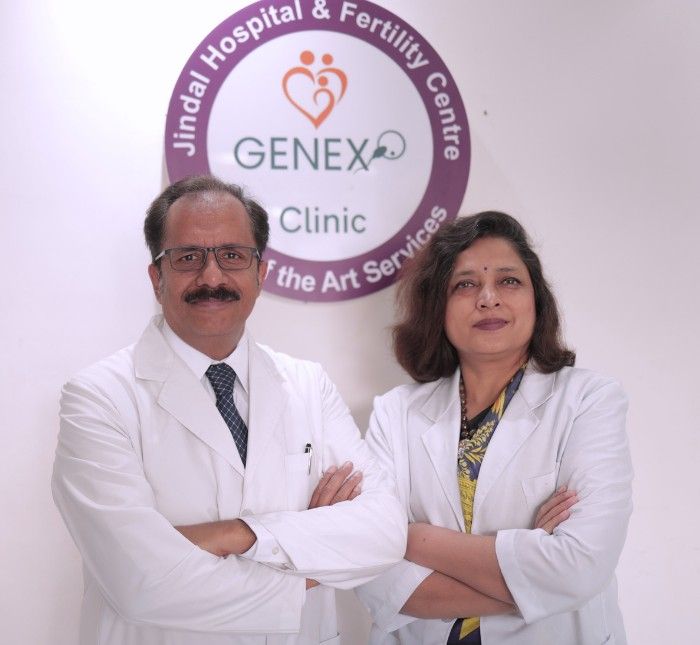
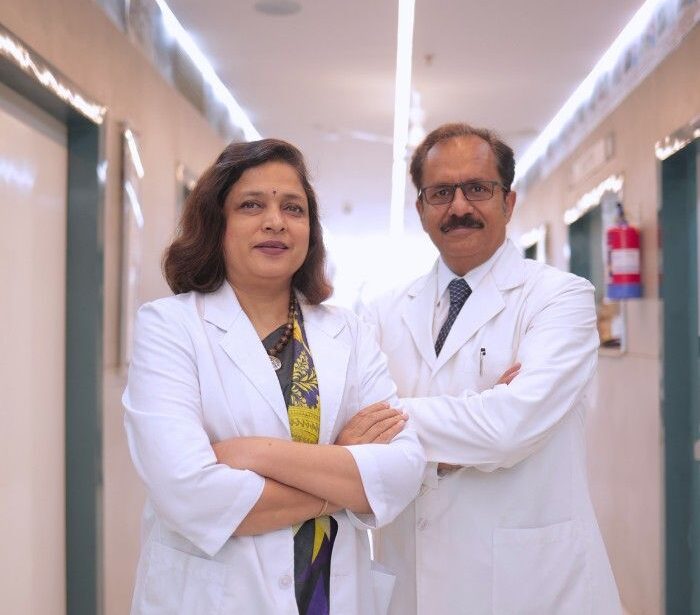
At Jindal Hospital & Fertility Centre, we recognize that sexual health is a vital component of overall well-being. Under the guidance of Dr. Sunil Jindal and Dr. Anshu Jindal, we provide holistic evaluation and personalized treatments to restore intimacy, confidence, and quality of life for women experiencing HSDD.
Indications of HSDD
Women may be experiencing HSDD if they notice:
- Persistent low or absent sexual thoughts or fantasies
- Reduced or absent desire to initiate sexual activity
- Avoidance of sexual intimacy with a partner
- Distress or frustration due to lack of desire
- Negative impact on relationships or self-esteem
Causes of HSDD
HSDD is often multifactorial, involving overlapping physical, psychological, and relational causes:
1. Hormonal Causes
- Low estrogen or testosterone levels (menopause, postpartum, surgical removal of ovaries)
- Thyroid disorders
- High prolactin levels
2. Medical Conditions
- Diabetes, hypertension, depression, anxiety
- Gynecological conditions such as endometriosis or fibroids
- Chronic illnesses or medications, including antidepressants and antihypertensives
3. Psychological Factors
- Stress, anxiety, or depression
- Poor body image or low self-esteem
- Relationship issues or past trauma
4. Lifestyle Factors
- Smoking or excessive alcohol consumption
- Lack of sleep or a sedentary lifestyle
Diagnosis of HSDD
Accurate diagnosis is key to effective treatment of Hypoactive Sexual Desire Disorder (HSDD). At Jindal Hospital & Fertility Centre, our comprehensive diagnostic approach includes:
- Detailed sexual and medical history assessment
- Hormone profiling – estrogen, testosterone, thyroid, and prolactin levels
- Psychological evaluation for stress, anxiety, or depression
- Gynecological examination to rule out physical causes such as pain or vaginal dryness
Treatment Options for HSDD
1. Lifestyle & Counseling Approaches
- Sex therapy and couple’s counseling
- Stress reduction techniques, yoga, and mindfulness practices
- Education about the sexual response cycle and effective communication skills
2. Medical Interventions
- Hormonal therapies such as estrogen creams or testosterone gels (in selected cases)
- Medications like Flibanserin or Bremelanotide for suitable candidates
- Vaginal lubricants and moisturizers to relieve discomfort and dryness
3. Addressing Underlying Conditions
- Management of chronic conditions such as diabetes, thyroid disorders, or depression
- Adjustment or replacement of medications that may suppress libido
4. Regenerative & Emerging Therapies
- Platelet-Rich Plasma (PRP) vaginal rejuvenation
- Low-level laser therapy in specialized cases
Why Choose Jindal Hospital & Fertility Centre for HSDD?
At Jindal Hospital & Fertility Centre, we provide specialized and compassionate care for women experiencing Hypoactive Sexual Desire Disorder (HSDD). Our multidisciplinary approach combines medical expertise, advanced technology, and emotional support to help women rediscover intimacy and confidence.
- Dual Expertise: Led by Dr. Sunil Jindal (Andrology & Sexual Medicine) and Dr. Anshu Jindal (Gynecology & Reproductive Medicine), ensuring complete care for both physical and emotional aspects of sexual health.
- Holistic & Multidisciplinary Care: Addressing hormonal, psychological, and relational factors to achieve lasting improvement.
- Advanced Diagnostic Facilities: Comprehensive hormonal profiling and sexual health evaluations using modern diagnostic tools.
- Personalized Treatment Protocols: Every plan is customized according to each woman’s unique needs, relationship dynamics, and stage of life.
- Confidential & Compassionate Environment: We ensure complete privacy, understanding, and comfort throughout the treatment journey.
- Proven Success: Hundreds of women have successfully regained sexual desire, intimacy, and confidence under our expert care.
Do’s & Don’ts for Hypoactive Sexual Desire Disorder (HSDD)
Do’s:
- Seek early medical help – don’t wait for symptoms to worsen.
- Communicate openly with your partner.
- Maintain a balanced diet, regular exercise, and adequate sleep.
- Manage stress with relaxation techniques.
- Follow prescribed treatments consistently.
Don’ts:
- Don’t assume low desire is “normal” after marriage, childbirth, or menopause.
- Avoid self-medicating with unproven herbal supplements.
- Don’t ignore underlying medical or hormonal conditions.
- Avoid smoking, alcohol, and drug use that worsen libido.
- Don’t neglect mental health – treat anxiety, depression, or trauma.
Most Ask
FAQs about Hypoactive Sexual Desire Disorder
Conclusion
Loss of desire can quietly erode confidence and intimacy — but it is treatable. At Jindal Hospital & Fertility Centre, we approach HSDD with empathy, science, and holistic healing.
With Dr. Sunil Jindal’s expertise in sexual medicine and Dr. Anshu Jindal’s leadership in women’s hormonal and reproductive health, our team addresses physical, emotional, and relational causes through a mix of hormonal therapy, counselling, and regenerative medicine (PRP rejuvenation, laser therapy).
We provide a confidential, respectful environment where women rediscover confidence, intimacy, and joy.
💫 At Jindal Hospital, we help you fall in love with yourself — and your life — again. Book your consultation for personalized, private sexual-wellness care.