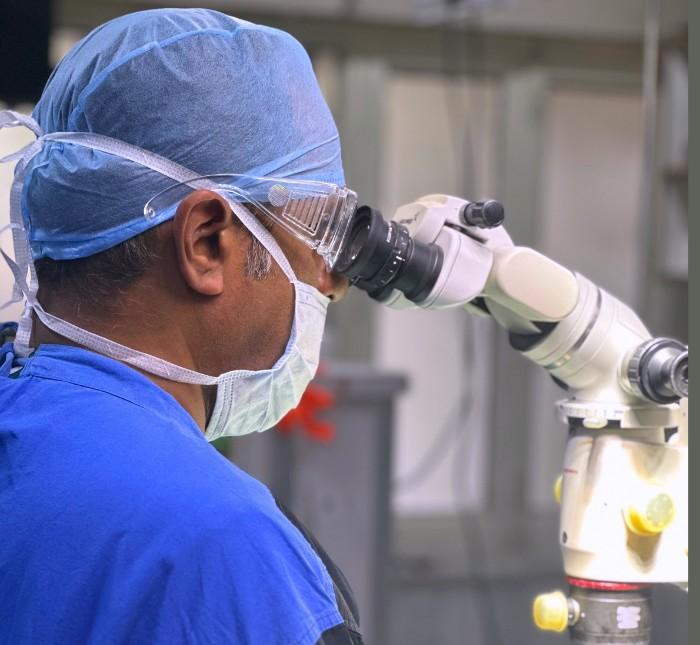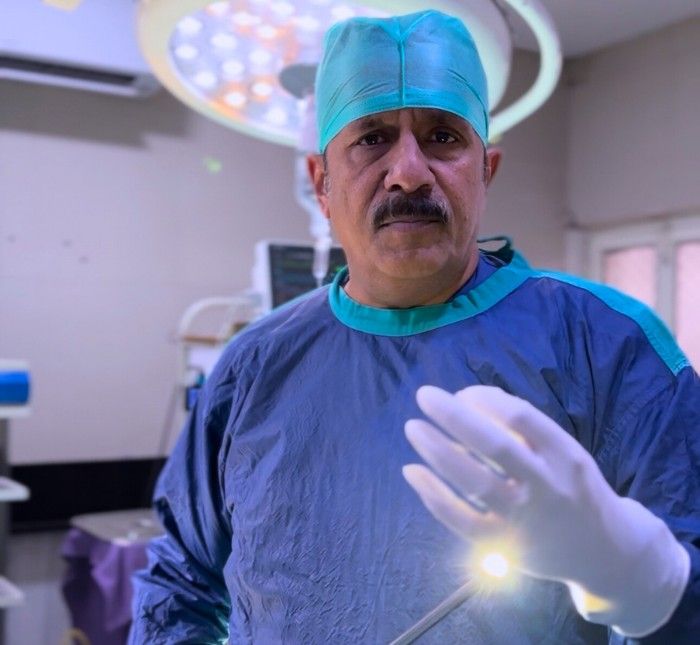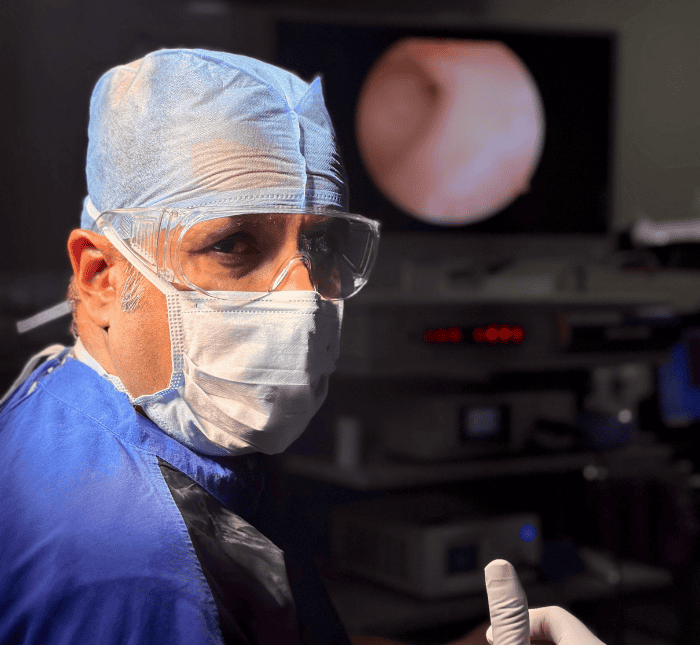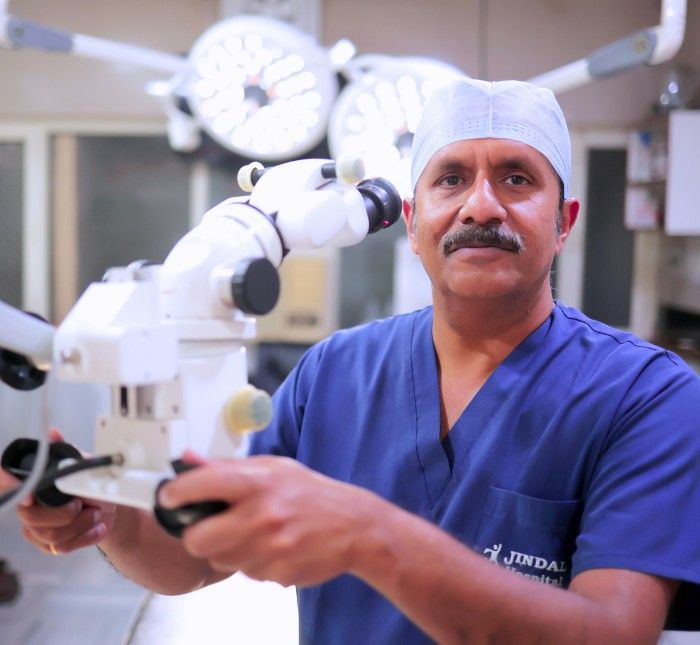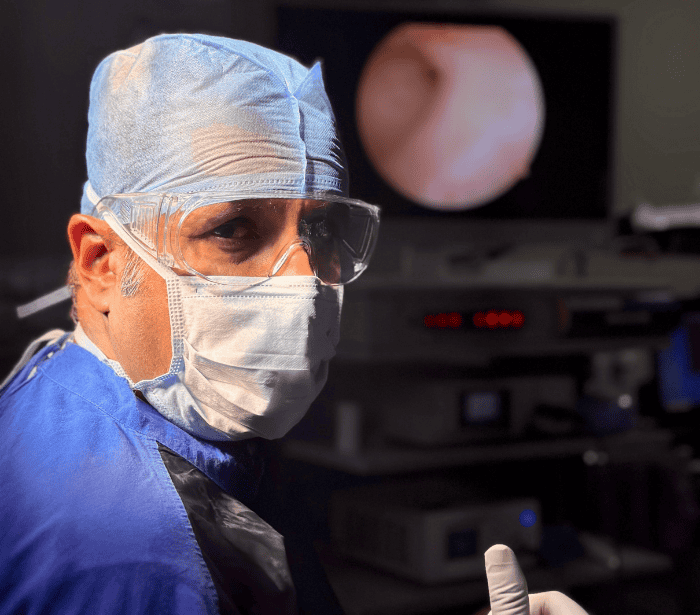
Welcome to our comprehensive guide on the Best Hysteroscopy services offered at Jindal Hospital & Fertility Centre in Delhi, India.
We are committed to providing detailed insights into this essential procedure in women’s health. Led by renowned doctors, Dr. Sunil Jindal and Dr. Anshu Jindal, our hospital stands as a beacon of excellence in hysteroscopy. In this guide, we delve deep into the world of hysteroscopy, its benefits, the procedure at our facility, and what sets us apart as the best choice for your healthcare needs.Understanding Hysteroscopy
Hysteroscopy is a minimally invasive procedure used to examine the inside of the uterus. At Jindal Hospital & Fertility Centre, we offer the best hysteroscopy in Meerut & Delhi, India, providing patients with accurate diagnosis and effective treatment options for various uterine conditions.Types of Hysteroscopy
- Diagnostic Hysteroscopy: Our expert team, led by Dr. Sunil Jindal and Dr. Anshu Jindal, uses diagnostic hysteroscopy to investigate the cause of abnormal bleeding, recurrent miscarriages, or unexplained pelvic pain.
- Operative Hysteroscopy: For treatments such as the removal of polyps, fibroids, or correction of uterine septums, our skilled surgeons perform operative hysteroscopy with precision and expertise.
Benefits of Choosing Jindal Hospital & Fertility Centre
- Expert Doctors: Dr. Sunil Jindal and Dr. Anshu Jindal are renowned experts in the field of hysteroscopy, with years of experience and a commitment to patient care. Their expertise ensures accurate diagnosis and effective treatment plans tailored to individual needs.
- State-of-the-Art Facilities: At Jindal Hospital & Fertility Centre, we boast state-of-the-art equipment and modern facilities to conduct hysteroscopy procedures with the highest standards of safety and precision.
- Personalized Care: We understand that every patient is unique, which is why we offer personalized care and attention at every step of the hysteroscopy journey. From initial consultation to post-procedure follow-ups, we are dedicated to your well-being.
- Minimally Invasive Procedures: Our commitment to minimally invasive techniques means shorter recovery times, reduced discomfort, and faster return to daily activities for our patients.
The Hysteroscopy Procedure at Jindal Hospital & Fertility Centre
Pre-Procedure Preparation
Before your hysteroscopy procedure at Jindal Hospital & Fertility Centre, our team will guide you through the necessary preparations. This may include fasting for a few hours and discussing any medications you are currently taking.During the Procedure
- Anesthesia: Depending on your comfort and the type of hysteroscopy, you may receive local anesthesia or be sedated for the procedure.
- Insertion of Hysteroscope: The skilled team of doctors will gently insert the hysteroscope into your uterus through the cervix. This allows for a clear view of the uterine lining.
- Examination or Treatment: Dr. Sunil Jindal and Dr. Anshu Jindal will carefully examine your uterus for any abnormalities or perform necessary treatments with precision and expertise.
After the Procedure
After your hysteroscopy, you may experience mild cramping or spotting, which is normal. Our team will provide detailed post-procedure instructions to ensure your comfort and well-being during the recovery period.Conditions Diagnosed and Treated
Conditions Diagnosed:- Abnormal Uterine Bleeding
- Recurrent Miscarriages
- Pelvic Pain
- Uterine Polyps
- Fibroids
- Uterine Septum
- Endometrial Hyperplasia
- Asherman’s Syndrome
What Sets Jindal Hospital & Fertility Centre Apart
- Best Hysteroscopy in Meerut, Delhi, India: Our hospital is renowned for providing the best hysteroscopy services in Meerut, Delhi, India, thanks to the expertise of Dr. Sunil Jindal and Dr. Anshu Jindal.
- Renowned Doctors: Dr. Sunil Jindal and Dr. Anshu Jindal are recognized for their contributions to the field of hysteroscopy, both nationally and internationally.
- Patient-Centric Approach: At Jindal Hospital & Fertility Centre, patients are at the heart of everything we do. Your comfort, well-being, and satisfaction are our top priorities.
- Affordable Excellence: We believe that quality healthcare should be accessible to all. Our hysteroscopy services combine excellence with affordability.
What are the Indications for Hysteroscopy?
Hysteroscopy is recommended for a variety of uterine conditions, with indications including:- Abnormal Uterine Bleeding: If you experience irregular, heavy, or prolonged periods, hysteroscopy can help identify the underlying cause. This may include conditions such as uterine polyps, fibroids, or hormonal imbalances.
- Recurrent Miscarriages: Women who have experienced multiple miscarriages may undergo hysteroscopy to assess the uterine cavity for abnormalities that could be contributing to pregnancy loss.
- Unexplained Pelvic Pain: Chronic pelvic pain without a clear cause can be frustrating. Hysteroscopy allows doctors to examine the uterine lining for signs of inflammation, adhesions, or other issues.
- Infertility Investigations: For couples struggling with infertility, hysteroscopy is often part of the diagnostic process. It helps identify uterine abnormalities such as a uterine septum or adhesions that could hinder conception.
- Evaluation of Abnormal Pap Smear Results: If you receive abnormal Pap smear results, further investigation with hysteroscopy may be necessary to examine the cervical canal and uterine cavity for signs of abnormalities or precancerous cells.
Benefits of Hysteroscopy
- Accurate Diagnosis: Hysteroscopy offers a direct, visual examination of the uterine cavity, allowing for precise diagnosis of various conditions.
- Minimally Invasive: Compared to traditional open surgeries, hysteroscopy is minimally invasive, resulting in less pain, shorter recovery times, and reduced risk of complications.
- Customized Treatment Plans: Once a diagnosis is made, hysteroscopy allows for tailored treatment plans. Procedures such as polyp removal, fibroid resection, or uterine septum correction can be performed during the same procedure.
- Comprehensive Evaluation: Hysteroscopy provides a thorough evaluation of the entire uterine cavity, ensuring that even small abnormalities are detected and addressed.
- Outpatient Procedure: In many cases, hysteroscopy can be performed as an outpatient procedure, allowing patients to return home the same day.
Importance of Hysteroscopy
- Early Detection of Conditions: Early detection of uterine conditions such as polyps, fibroids, or abnormal growths allows for prompt treatment and better outcomes.
- Improved Fertility: By identifying and treating factors contributing to infertility, such as a uterine septum or adhesions, hysteroscopy can improve a woman’s chances of conceiving.
- Prevention of Complications: Addressing uterine abnormalities through hysteroscopy can prevent complications such as heavy bleeding, pelvic pain, or recurrent miscarriages.
- Quality of Life: Resolving uterine issues with hysteroscopy can significantly improve a woman’s quality of life, alleviating symptoms and restoring normal menstrual cycles.
Conclusion
In conclusion, hysteroscopy is a valuable tool in women’s healthcare, offering precise diagnosis and effective treatment for a range of uterine conditions. From its indications in cases of abnormal bleeding, recurrent miscarriages, infertility investigations, and more, hysteroscopy plays a crucial role in ensuring optimal reproductive health. At Jindal Hospital & Fertility Centre, we are committed to providing the highest quality of care for our patients. Led by esteemed doctors Dr. Sunil Jindal and Dr. Anshu Jindal, our expertise in hysteroscopy ensures that you receive personalized treatment plans tailored to your needs. If you are experiencing any symptoms or have concerns about your reproductive health, consider the benefits of hysteroscopy. Contact us today to schedule a consultation and take the first step towards a healthier, happier you.What Sets Jindal Hospital & Fertility Centre Apart
- Best Hysteroscopy in Meerut, Delhi, India: Our hospital is renowned for offering the best hysteroscopy services in Meerut and Delhi, thanks to the unmatched expertise of Dr. Sunil Jindal and Dr. Anshu Jindal.
- Renowned Doctors: Dr. Sunil Jindal and Dr. Anshu Jindal are highly respected specialists in hysteroscopy, recognized for their contributions both nationally and internationally.
- Patient-Centric Approach: At Jindal Hospital & Fertility Centre, our patients are at the heart of everything we do. Your comfort, well-being, and satisfaction remain our top priorities.
- Affordable Excellence: We believe quality healthcare should be accessible to everyone. Our hysteroscopy services combine world-class medical expertise with affordability.
Conclusion
If you are looking for the best hysteroscopy in Meerut or Delhi, India, look no further than Jindal Hospital & Fertility Centre. Under the expert guidance of Dr. Sunil Jindal and Dr. Anshu Jindal, our hospital offers state-of-the-art facilities, personalized care, and effective treatment options for a wide range of uterine conditions.
For more information or to schedule a consultation, contact us today and take the first step toward better reproductive health.
Benefits of Hysteroscopy
- Accurate Diagnosis: Hysteroscopy provides a direct, visual examination of the uterine cavity, allowing for precise diagnosis of various conditions.
- Minimally Invasive: Compared to traditional open surgeries, hysteroscopy is minimally invasive, resulting in less pain, shorter recovery time, and reduced risk of complications.
- Customized Treatment Plans: Once a diagnosis is made, hysteroscopy allows for tailored treatment plans — such as removal of polyps, fibroids, or correction of uterine septum — all in the same procedure.
- Comprehensive Evaluation: This procedure ensures a thorough evaluation of the uterine cavity, detecting and addressing even minor abnormalities.
- Outpatient Procedure: In most cases, hysteroscopy is performed on an outpatient basis, allowing patients to return home the same day.
Importance of Hysteroscopy
- Early Detection of Conditions: Detects uterine issues like polyps, fibroids, or abnormal growths early for timely treatment and better outcomes.
- Improved Fertility: Identifying and correcting issues such as uterine adhesions or septum can significantly improve fertility potential.
- Prevention of Complications: Timely treatment through hysteroscopy helps prevent complications like heavy bleeding, pelvic pain, or recurrent miscarriages.
- Enhanced Quality of Life: Treating uterine abnormalities alleviates discomfort and restores normal menstrual health, enhancing overall well-being.
Final Words
In summary, hysteroscopy is a vital and effective tool in women’s healthcare — providing accurate diagnosis, safe treatments, and faster recovery. At Jindal Hospital & Fertility Centre, we are committed to delivering the highest standards of care.
Led by Dr. Sunil Jindal and Dr. Anshu Jindal, our expert team ensures you receive compassionate, personalized, and result-oriented treatment.
If you are experiencing symptoms or have concerns about your reproductive health, contact us today to schedule a consultation and take the first step toward a healthier, happier you.
The Do’s of Hysteroscopy
- Follow Pre-Procedure Instructions: Adhere to all instructions provided by your healthcare provider. This may include fasting before the procedure or taking medications as directed.
- Arrange for Transportation: Ensure someone drives you home after the procedure. Hysteroscopy is usually outpatient, but anesthesia or sedation may leave you drowsy.
- Stay Hydrated: Drink plenty of water leading up to the procedure. Proper hydration helps maintain blood flow and facilitates IV insertion if needed.
- Wear Comfortable Clothing: Choose loose and comfortable clothing on the day of your hysteroscopy to stay at ease during and after the procedure.
- Ask Questions: If you have concerns or doubts about the procedure, consult your healthcare provider. Understanding the process can reduce anxiety and help you prepare.
- Arrange for Post-Procedure Rest: Plan to rest at home after the procedure. Taking it easy helps your body recover faster.
- Follow Post-Procedure Care Instructions: Follow all post-procedure guidelines provided by your doctor. This may include avoiding strenuous activities, refraining from sexual intercourse for a specified period, and taking prescribed medications.
The Don’ts of Hysteroscopy
- Don’t Eat or Drink Before Anesthesia: Avoid food or drinks for the period specified by your doctor. Anesthesia can cause nausea if your stomach is not empty.
- Don’t Drive Yourself Home: Do not drive after the procedure, especially if sedation or anesthesia was administered. Arrange for someone to accompany you.
- Don’t Ignore Abnormal Symptoms: Contact your healthcare provider immediately if you experience severe pain, heavy bleeding, fever, or any unusual symptoms post-procedure.
- Don’t Use Tampons: Avoid tampons for the first few days after hysteroscopy. Use sanitary pads to reduce the risk of infection.
- Don’t Engage in Strenuous Activities: Refrain from heavy lifting, intense exercise, or strenuous activities for at least a few days to allow proper healing.
- Don’t Skip Follow-Up Appointments: Attend all scheduled follow-ups. These visits are essential for monitoring recovery and ensuring the success of the procedure.
Most Ask
10 Frequently Asked Questions (FAQs) About Hysteroscopy
Why Hysteroscopy is Performed
Hysteroscopy is performed for a variety of important diagnostic and therapeutic purposes, including:
- Investigating the cause of abnormal uterine bleeding.
- Diagnosing the presence of uterine polyps, fibroids, or adhesions.
- Evaluating recurrent miscarriages to identify underlying uterine issues.
- Assessing the uterine cavity before infertility treatments to ensure optimal conditions for conception.
During the Hysteroscopy Procedure
During hysteroscopy, the procedure is carefully performed to ensure accuracy and patient comfort:
- The patient lies on an examination table with their feet in stirrups.
- A speculum is gently inserted into the vagina to visualize the cervix.
- The hysteroscope is then carefully inserted through the cervix into the uterus.
- A saline solution may be used to expand the uterus, allowing better visibility of the uterine cavity.
Conditions Detected by Hysteroscopy
Hysteroscopy is a valuable tool for diagnosing a variety of uterine conditions, including:
- Uterine polyps
- Fibroids
- Uterine septum
- Endometrial hyperplasia
- Adhesions or scarring (Asherman’s syndrome)
After Hysteroscopy
After the hysteroscopy procedure, you may experience some mild and temporary symptoms, including:
- Mild cramping
- Light spotting or bleeding
- A feeling of fullness or pressure in the lower abdomen
Most women are able to resume their normal activities within a day or two. Your healthcare provider will give specific post-procedure instructions to ensure a smooth recovery.
Conclusion
Hidden uterine issues often stand between you and your dream of pregnancy. At Jindal Hospital & Fertility Centre, hysteroscopy transforms that uncertainty into clarity — safely, gently, and effectively.
Performed by Dr. Anshu Jindal, a leader in fertility-focused endoscopy, with surgical support from Dr. Sunil Jindal, our procedures use 3D HD hysteroscopes and minimally invasive instruments to diagnose and correct uterine abnormalities in the same sitting.
This precision ensures better implantation, improved IVF outcomes, and a faster recovery.
🌼 At Jindal Hospital, we don’t just see inside the uterus — we restore its power to create life. Schedule your appointment and experience compassionate surgical care that changes futures.