Infertility: Definition, Causes, and Treatments
Infertility is diagnosed when a couple has been unable to conceive after a year of trying, or in women over 35, after six months of trying. It can also include women who can conceive but struggle to carry a pregnancy to full term.
Types of Infertility
- Primary Infertility: When a woman has never been able to get pregnant.
- Secondary Infertility: When a woman has had at least one successful pregnancy in the past but now faces challenges conceiving again.
Infertility in Men and Women
Infertility affects both genders equally: about one-third of cases are due to female infertility, another third to male infertility, and the remaining third may be a combination or unknown causes.
Causes of Male Infertility
Sperm-Related Issues
- Problems with sperm production
- Low sperm count
- Abnormal sperm morphology
- Poor sperm motility
Risk Factors and Medical Conditions
- Advanced age, smoking, heavy alcohol consumption, obesity, exposure to toxins
- Retrograde ejaculation, varicocele, undescended testicles, antibodies attacking sperm, hormonal imbalances
Medications Affecting Male Fertility
- Chemotherapy or radiation therapy
- Sulfasalazine, calcium channel blockers, antidepressants, anabolic steroids
- Recreational drugs such as marijuana and cocaine
Causes of Female Infertility
Factors Affecting Fertility
- Ovulation, fertilization, implantation
Risk Factors and Medical Conditions
- Increasing age, smoking, alcohol, obesity or underweight, certain STIs
- Ovulation disorders (e.g., PCOS), PID, endometriosis, uterine fibroids, premature ovarian failure, scarring from surgery
Medications Affecting Female Fertility
- Chemotherapy or radiation therapy
- Long-term high-dose NSAIDs, antipsychotic medications
- Recreational drugs like marijuana and cocaine
Infertility Testing
For Men
- Semen analysis
- Hormone testing
- Genital ultrasound
- Genetic testing
For Women
- Pelvic exams, ovulation tracking, ultrasounds
- Hysterosalpingography (X-ray), laparoscopy, ovarian reserve testing
Infertility Treatments
For Men
- Surgery to correct obstructions or varicocele
- Medications for hormonal imbalances or sperm issues
- ART procedures like IVF or sperm extraction
For Women
- Surgery for uterine abnormalities or blocked tubes
- Medications to regulate ovulation or hormonal issues
- ART procedures such as IVF or IUI
Natural Treatments and Lifestyle Changes
- Acupuncture to improve ovulation and menstruation
- Yoga to reduce stress
- Vitamins and supplements: folate, zinc, vitamin C, probiotics
- Teas with antioxidants
- Essential oils for relaxation and stress reduction
- Fertility diet focusing on fiber, healthy fats, avoiding trans fats
Fertility Cycle and Timing
- Women are most fertile around ovulation, usually once a month
- Ovulation signs: cramping, slight rise in body temperature
- Tracking via kits, calendars, or apps
Outlook and Coping with Infertility
- Education about infertility and treatment reduces anxiety
- Seek support from partner, family, friends, or support groups
- Maintain wellness through exercise and nutrition
- Consider alternatives: adoption, donor sperm/eggs, living child-free
Impact on Relationships
- Open communication about fears, hopes, and expectations
- Support each other through stress, grief, and frustration
- Seek couples or individual counseling
- Maintain intimacy outside fertility-focused activities
Financial Considerations
- Understand treatment costs and insurance coverage
- Explore financing options and grants
- Create a budget to manage fertility expenses
When to Consider Egg Freezing
- Medical reasons: cancer treatment or other conditions affecting fertility
- Delaying parenthood due to career, education, or partner situation
- Preserving fertility as a precaution
- Family planning for future pregnancies
The Role of Age in Fertility
- Women: fertility declines after 35 due to egg quantity and quality
- Men: sperm quality may decline, affecting conception time and potential genetic risks
- Planning: early evaluation can benefit women over 35
Conclusion
Infertility can present complex challenges, but medical technology, lifestyle changes, and emotional support make parenthood possible for many couples. Seeking guidance from specialists, exploring treatment options, and leaning on support networks provide hope. Take care of your physical and emotional health, communicate openly with your partner, and stay informed about fertility treatments and alternatives to achieve your dream of becoming parents.
Infertility Diagnosis and Treatment at Jindal Hospital & Fertility Centre
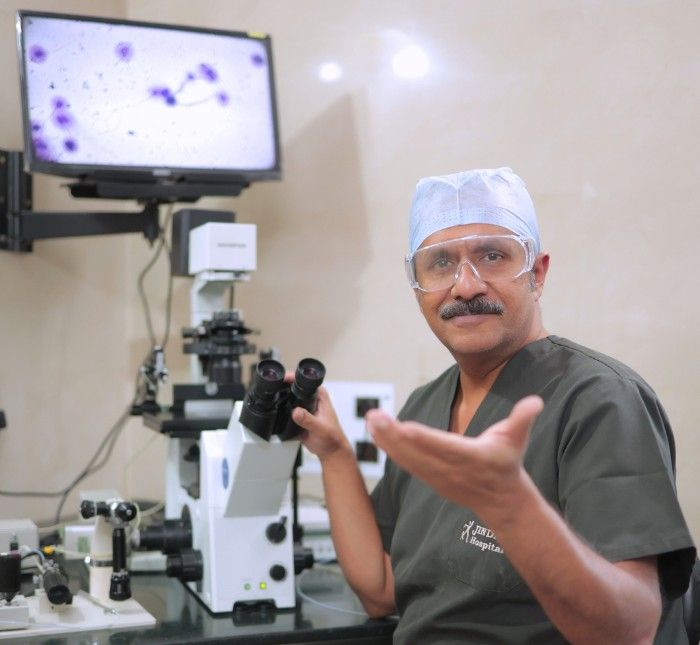
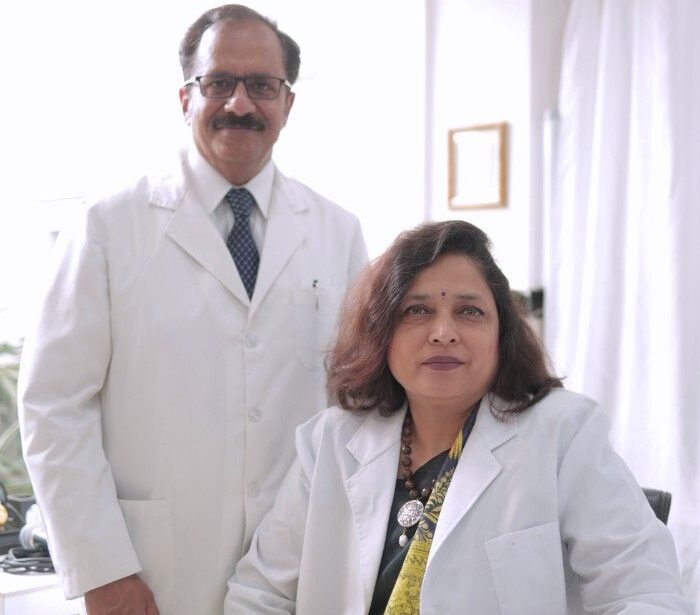
Jindal Hospital & Fertility Centre, under the expertise of Dr. Sunil Jindal and Dr. Anshu Jindal, offers comprehensive services for couples facing infertility challenges. Located in [insert location], the center provides state-of-the-art facilities and a compassionate approach to infertility care.
Diagnosis at Jindal Hospital & Fertility Centre
Seeking help from Jindal Hospital & Fertility Centre ensures a thorough diagnosis to pinpoint underlying causes of infertility. The diagnostic process may include:
- Initial Consultation: During your first visit, Dr. Sunil Jindal or Dr. Anshu Jindal will take a detailed medical history and discuss your concerns to understand your unique situation.
-
Fertility Tests: A range of tests to assess male and female fertility factors:
- Ovulation testing for women
- Hormone level assessments
- Imaging tests such as pelvic ultrasound
- Semen analysis for men
-
Specialized Testing: Advanced tests if further evaluation is needed, such as:
- Hysterosalpingography (HSG)
- Ovarian reserve testing
- Genetic testing
Treatment Options at Jindal Hospital & Fertility Centre
After identifying the root cause of infertility, the doctors recommend personalized treatment plans, including:
- Medication Therapies: Fertility drugs to stimulate ovulation or regulate hormones, carefully prescribed to optimize conception chances.
- Surgical Interventions: Minimally invasive surgeries to correct anatomical issues like endometriosis, fibroids, or tubal obstructions.
-
Assisted Reproductive Technologies (ART): Advanced procedures such as:
- Intrauterine Insemination (IUI)
- In Vitro Fertilization (IVF)
- Intracytoplasmic Sperm Injection (ICSI)
- Egg Freezing: Services for women wishing to preserve fertility for future family planning.
Why Choose Jindal Hospital & Fertility Centre?
- Expertise of Dr. Sunil Jindal and Dr. Anshu Jindal: Renowned fertility specialists with years of experience and a caring approach.
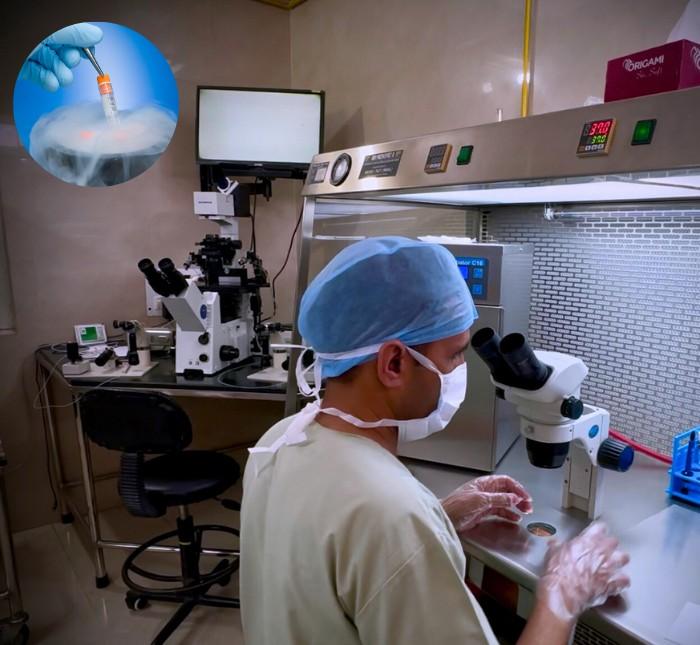
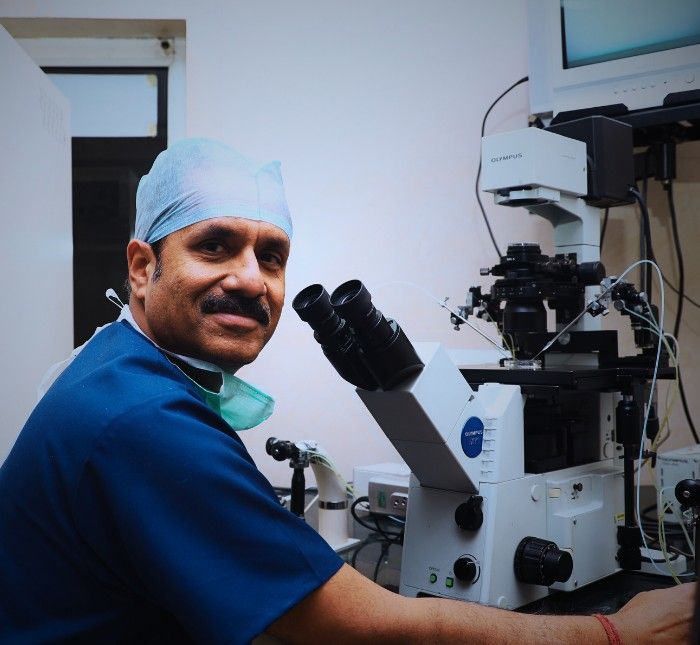
- State-of-the-Art Facilities: Equipped with latest technology for accurate diagnosis and effective treatment.
- Personalized Care: Tailored treatment plans and compassionate support throughout the emotional journey.
- Comprehensive Services: Full spectrum of infertility services under one roof, ensuring continuity of care.
- Success Rates: Proven track record of helping couples achieve successful pregnancies.
Conclusion
If you’re facing challenges with infertility, Jindal Hospital & Fertility Centre, led by Dr. Sunil Jindal and Dr. Anshu Jindal, offers hope and solutions. With advanced treatments, compassionate care, and a commitment to excellence, the center is a beacon of hope for couples on their journey to parenthood.
Contact Jindal Hospital & Fertility Centre today to schedule a consultation and take the first step towards realizing your dream of having a baby.
Do’s for Infertility
-
Seek Professional Help Early:
- If you have been trying to conceive for a year (or six months if over 35) without success, consult a fertility specialist.
- Importance: Early diagnosis and treatment can improve the chances of successful conception.
-
Maintain a Healthy Lifestyle:
- Eat a balanced diet rich in fruits, vegetables, whole grains, and lean proteins. Exercise regularly, manage stress, and avoid smoking and excessive alcohol.
- Importance: A healthy lifestyle supports reproductive health and overall well-being.
-
Undergo Fertility Testing:
- Both partners should undergo fertility testing to identify potential issues.
- Importance: Testing helps pinpoint the cause of infertility, whether it’s related to sperm quality, ovulation issues, or other factors.
-
Follow Treatment Plans Diligently:
- If undergoing fertility treatments such as IVF or IUI, follow the treatment plan as prescribed by your fertility specialist.
- Importance: Consistency and adherence to treatment protocols increase the likelihood of success.
-
Explore Alternative Therapies:
- Consider complementary therapies such as acupuncture, yoga, or meditation to reduce stress and improve reproductive health.
- Importance: Alternative therapies can complement medical treatments and enhance overall well-being.
Don’ts for Infertility
-
Don’t Delay Seeking Help:
- Avoid waiting too long to consult a fertility specialist if you suspect infertility.
- Importance: Delaying treatment can decrease the chances of success, especially as age can affect fertility.
-
Avoid Excessive Stress:
- Try to manage stress through relaxation techniques, counseling, or support groups.
- Importance: High stress levels can interfere with hormonal balance and fertility.
-
Don’t Self-Medicate:
- Refrain from taking over-the-counter fertility medications without medical supervision.
- Importance: Incorrect medications or dosages can be harmful and may not address the underlying cause of infertility.
-
Avoid Smoking and Excessive Alcohol:
- Both partners should refrain from smoking and limit alcohol consumption.
- Importance: Smoking and excessive alcohol can negatively impact fertility and the success of fertility treatments.
-
Don’t Ignore Emotional Health:
- Seek emotional support from loved ones, support groups, or mental health professionals.
- Importance: Dealing with infertility can be emotionally challenging, and support can help cope with stress and anxiety.
Additional Tips for Managing Infertility
-
Educate Yourself:
- Learn about fertility treatments, their success rates, risks, and costs.
- Importance: Being informed empowers you to make educated decisions about your fertility journey.
-
Communicate with Your Partner:
- Openly discuss your feelings, concerns, and treatment options.
- Importance: Infertility can strain relationships; communication fosters understanding and support.
-
Follow a Fertility-Friendly Diet:
- Incorporate foods rich in antioxidants, vitamins, and minerals to support fertility.
- Importance: A balanced diet can optimize reproductive health and increase chances of conception.
-
Consider Support Groups or Counseling:
- Joining support groups or seeking counseling provides emotional support and coping strategies.
- Importance: Sharing experiences with others can be comforting and empowering.
-
Stay Positive and Hopeful:
- Maintain a positive outlook and stay hopeful throughout your fertility journey.
- Importance: A positive mindset reduces stress and creates a conducive environment for conception.
Most Ask
FAQs of Infertility
Conclusion
Infertility can be one of the most painful and uncertain journeys a couple faces. At Jindal Hospital & Fertility Centre, we understand the emotions, the hope, and the courage behind every visit. You are not alone — and with the right care, conception becomes possible.
With over 30 years of excellence, Dr. Sunil Jindal and Dr. Anshu Jindal have guided thousands of couples through the most advanced fertility treatments — from ovulation induction, IUI, IVF, and micro-TESE to AI-driven embryology — achieving over 9,500 successful ART births.
Our centre integrates global technology, compassionate counselling, and ethical transparency to provide holistic reproductive medicine for both men and women.
🌸 At Jindal Hospital, we don’t just treat infertility — we create stories of life. Book your consultation today and let us help you transform your dream of parenthood into reality.